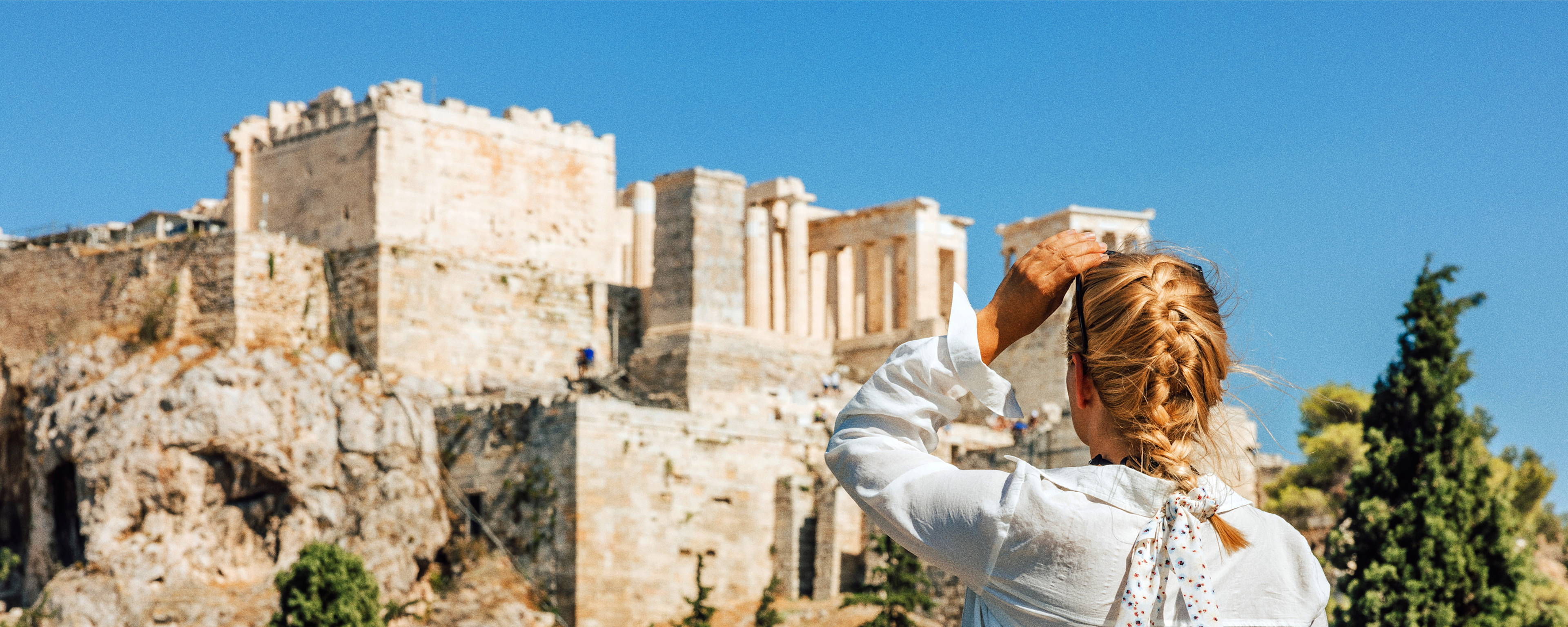
TRAVEL INSPIRATION
The Best Time to Visit Greece
By The Kensington Content Team
Reviewed by Antoine Guntalilib, Destination Lead
Published March 26, 2026 | Reading Time: 10 mins
TRAVEL INSPIRATION
By The Kensington Content Team
Reviewed by Antoine Guntalilib, Destination Lead
Published March 26, 2026 | Reading Time: 10 mins
May through October offers the best weather for island travel, with sunny skies, warm seas, and vibrant nightlife in destinations like Santorini, Mykonos, Corfu, Crete, and Rhodes.
Spring and fall shoulder seasons bring fewer crowds and pleasant temperatures, making them ideal for cultural exploration in Athens and mainland Greece.
Winter offers a quieter, more authentic experience, particularly in Athens, Nafplio, and Crete, where travelers can explore historic sites and local culture without summer crowds.
Few destinations transform with the seasons quite like Greece. In spring, wildflowers blanket the hillsides and café terraces fill with locals savoring the return of warm weather. Summer brings long days by the sea and lively island nights. Autumn softens the crowds and reveals a slower rhythm, while winter offers a quieter, more authentic look at the country’s cities and historic sites.
Knowing when to visit Greece can shape your entire experience, whether you’re dreaming of island-hopping through the Cyclades, exploring ancient landmarks in Athens, or relaxing along the beaches of Crete and Corfu.
Here, Kensington Destination Lead Antoine Guntalilib shares his insights into the best months to travel across Greece, from the mainland to its most beloved islands.
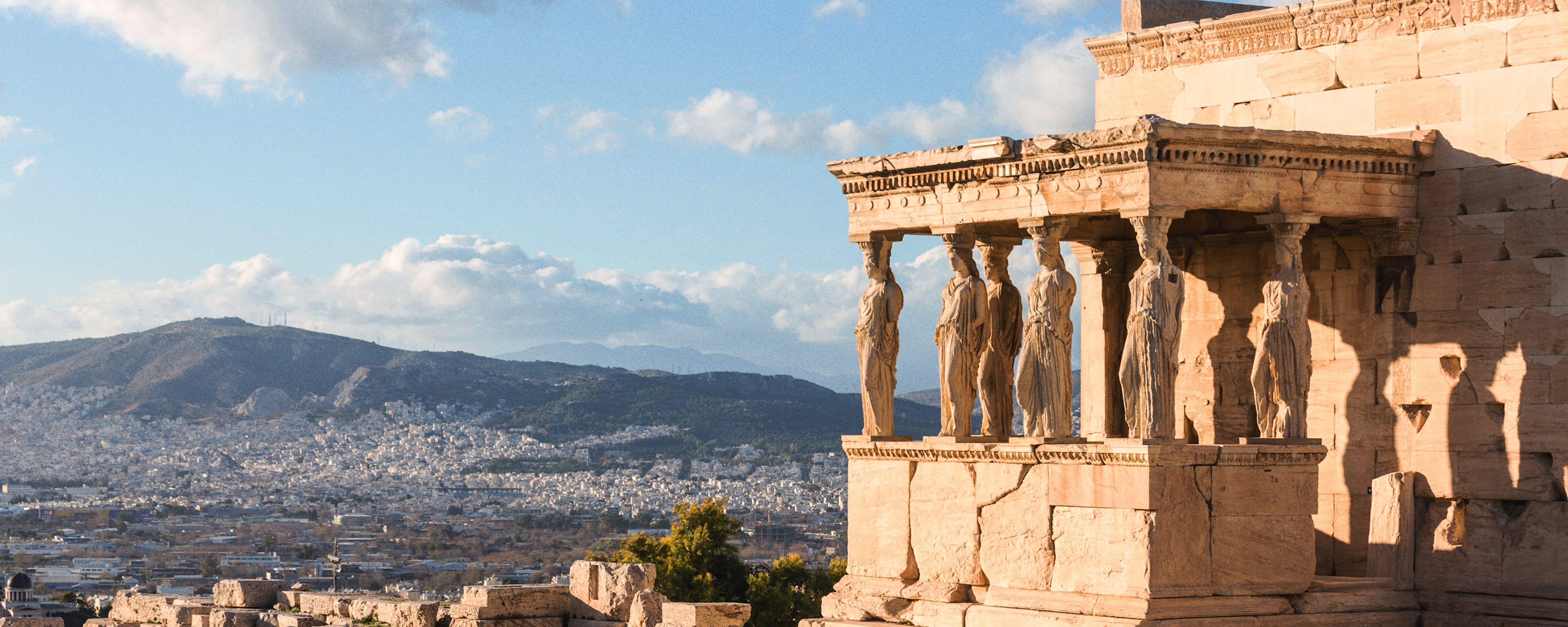
Athens shines from May through October, when warm weather and long daylight hours make exploring the Acropolis, ancient ruins, and rooftop dining scenes particularly enjoyable.
Spring and fall, however, often offer the most pleasant balance between weather and crowds. “Athens is fantastic in the shoulder seasons,” says Antoine. “You’ll still have great weather, but with far fewer visitors at major sites.”
March through May and November bring cooler temperatures that are perfect for walking tours through historic neighborhoods like Plaka, Monastiraki, and Kolonaki.
Winter offers an entirely different perspective. January and February are quieter months, when international tourism slows and the city returns to its local rhythm.
“January in Athens is generally mild and uncrowded,” Antoine notes. “It’s a wonderful time to visit museums and archaeological sites without the summer crowds.”
Santorini’s tourism season runs from May through October, when hotels, restaurants, and beach clubs are fully operational and the island buzzes with life.
During these months, visitors can enjoy sailing along the caldera, sunset dinners in Oia, and swimming in the Aegean’s famously clear waters.
Early May and late September offer particularly appealing conditions. “If clients want to experience Santorini with fewer crowds, I recommend early May or October,” says Antoine. “You still have beautiful weather, but the atmosphere feels more relaxed and authentic.”
Summer months, especially July and August, bring the island’s highest visitor numbers, including cruise ship arrivals.
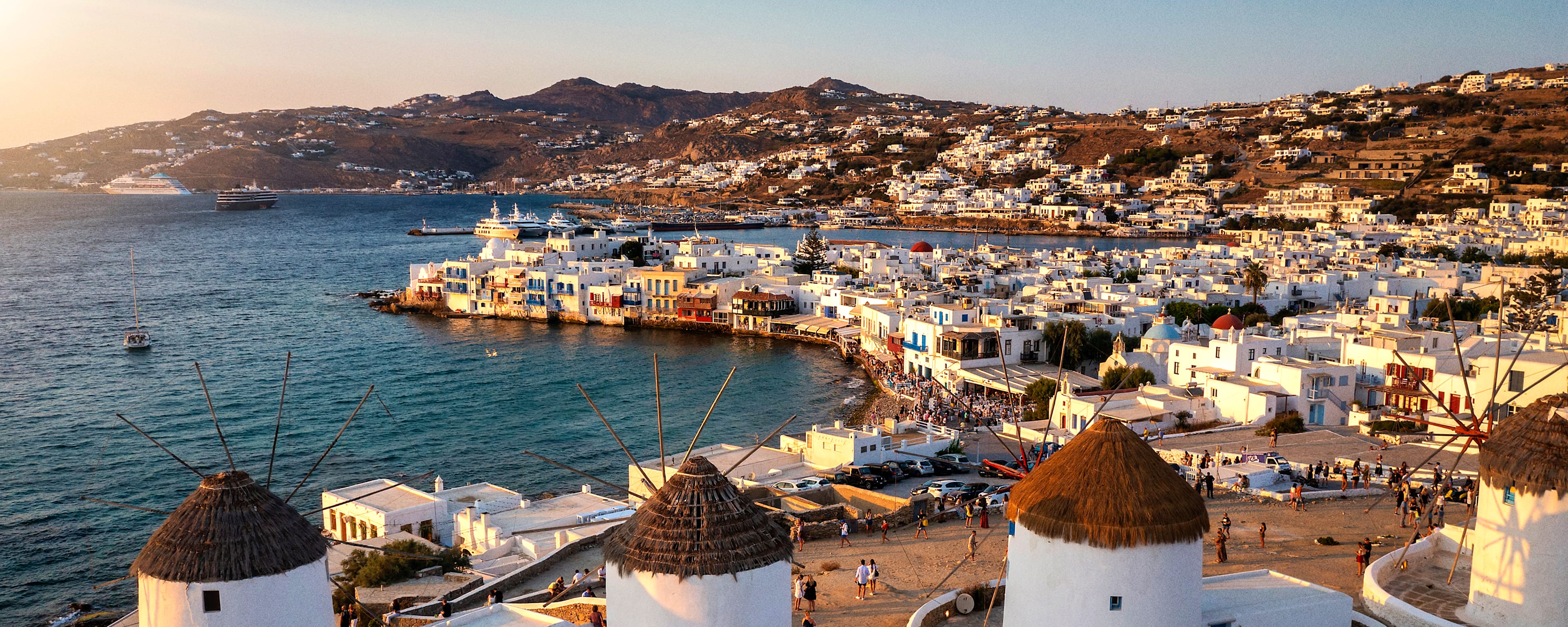
Like Santorini, Mykonos thrives between May and October, when beach clubs, luxury hotels, and restaurants operate at full capacity. The island’s glamorous reputation is well deserved as it teems with stylish beach clubs, chic boutiques, and world-class dining.
June and September are particularly popular with travelers seeking warm weather and vibrant nightlife without the intense crowds of August.
During peak summer, the island becomes one of Europe’s liveliest destinations. “Mykonos really comes alive in summer,” Antoine says. “But if you want the same beautiful scenery with fewer crowds, early May and October are fantastic options.”
Located in the Ionian Sea, Corfu enjoys lush landscapes and slightly milder temperatures than many Cycladic islands.
The best time to visit Corfu is May through October, when warm temperatures and calm seas make swimming and boating ideal.
Spring is particularly beautiful, with green hillsides and blooming wildflowers. One of the island’s most distinctive cultural moments occurs during Orthodox Easter, when elaborate celebrations fill Corfu’s streets. “Corfu is famous for its Holy Week ceremonies,” Antoine explains. “It’s one of the most vibrant Easter celebrations in Greece.”
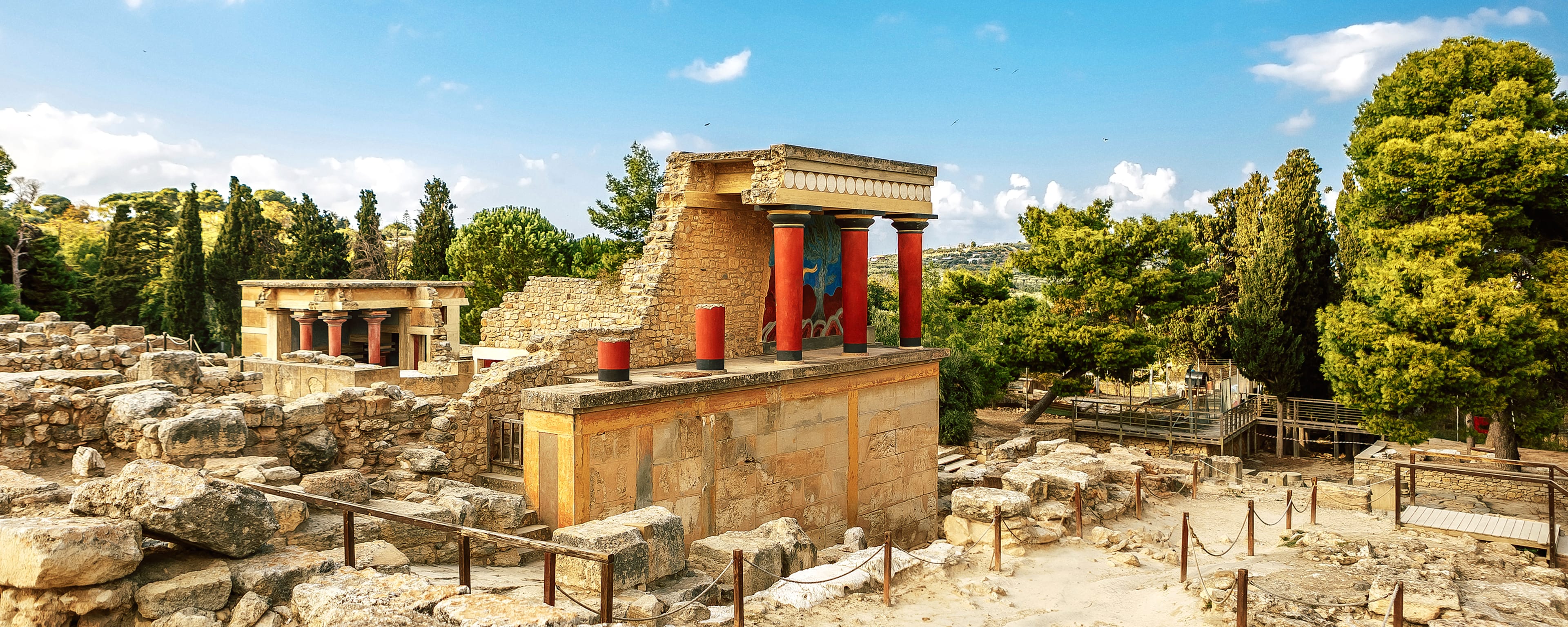
Crete stands apart from many Greek islands as a true year-round destination. The island’s size and diverse geography mean that even during winter months, many towns, hotels, and attractions remain open.
For beach lovers, however, the best time to visit Crete is between May and October, when sea temperatures are warm enough for swimming.
“Crete is unique because it offers something in every season,” says Antoine. “Even in winter you can explore archaeological sites, local villages, and incredible food.”
The island also serves as an excellent alternative during late fall when smaller islands begin to close for the season.
Rhodes shares a similar seasonal rhythm with many Greek islands. The best time to visit is May through October, when sunny weather and warm waters make the island ideal for beach holidays.
The island’s medieval Old Town — a UNESCO World Heritage Site — is especially enjoyable during spring and fall, when temperatures are comfortable for walking through its historic streets.
Rhodes also benefits from one of the longest sunshine seasons in Greece, making it a favorite destination for travelers seeking reliable beach weather.
January in Greece is quiet and authentic. Tourism slows dramatically after the holidays, allowing travelers to experience local life without crowds.
“Athens is cool but usually mild,” says Antoine. “You’ll find almost no crowds at major sites, and hotel rates are lower.” It’s a perfect time to explore the Acropolis Museum, stroll through historic neighborhoods, and enjoy the city’s lively restaurant scene.
February continues the winter calm. Major archaeological sites and museums remain open but rarely crowded. “A great place to visit in February is Nafplio,” Antoine suggests. “It’s a beautiful seaside town with Venetian architecture and a relaxed atmosphere.”
Crete is another strong option during winter months. While the sea may be too cold for swimming, cultural attractions, local businesses, and many hotels remain open year-round.
March marks the beginning of spring, bringing milder temperatures and longer daylight hours. Athens comes alive with Greek Independence Day celebrations on March 25, featuring parades and festivities throughout the city.
Crowds remain relatively light, making it a wonderful time to explore historic landmarks and experience authentic Greek culture.
Thessaloniki, Greece’s second-largest city, is another excellent destination this month, offering vibrant food culture and a lively local atmosphere.
April brings blooming landscapes and a renewed energy across Greece. “Spring is really arriving in April,” Antoine says. “Rooftop restaurants begin opening, and the cities feel lively again.”
Orthodox Easter is one of the country’s most meaningful celebrations, marked by fireworks, candlelit processions, and festive feasts.
Corfu is particularly famous for its Easter traditions, while Crete begins to warm enough for resort pools and early beach days.
May marks the start of the shoulder season with the reopening of many island hotels and restaurants. International travelers begin arriving in larger numbers, though crowds remain manageable. “The second week of May is when travel really begins to pick up,” Antoine notes.
Popular islands like Santorini and Mykonos become lively again, while destinations such as Paros and Naxos offer quieter alternatives with beautiful beaches and authentic village life.
June signals the arrival of peak summer season, with sunny days stretching late into the evening and island life getting into full swing.
While Santorini and Mykonos grow busier, other islands offer equally beautiful experiences. “Naxos is one of my favorite places in June,” Antoine says. “It doesn’t receive cruise ships, so it feels more authentic, with beautiful beaches and fantastic food.”
July brings high summer temperatures and vibrant island life; beach days, sailing trips, and seaside dinners become the rhythm of travel.
“Milos is fantastic in July,” Antoine recommends. “Sarakiniko Beach has these incredible lunar-like rock formations, and exploring hidden coves by boat is unforgettable.”
August is Greece’s hottest month and the height of the holiday season for European travelers.
Athens can become quite warm, making island escapes especially appealing.
“I usually recommend spending just a few days in Athens during August,” says Antoine. “Then head to the islands.”
Instead of Santorini and Mykonos, travelers may enjoy quieter alternatives like Kefalonia, Corfu, Folegandros, or Sifnos.
September is one of the most pleasant months to visit Greece. The sea remains warm, summer crowds begin to fade, and temperatures soften; nearly every destination across Greece shines during this time.
“Many North American travelers love visiting in September,” Antoine explains. “You still have warm beaches and fantastic weather, but with fewer visitors.”
October marks the final weeks of the island season. Many hotels and ferries begin reducing schedules toward the end of the month.
“October is actually my preferred time to visit the islands,” says Antoine. “Crowds are smaller, and places like Santorini and Mykonos feel more authentic again.”
Crete remains an excellent option throughout October thanks to its southern location and warm climate.
By November, most island tourism slows dramatically, with mainland destinations taking center stage. Cities like Athens and Thessaloniki remain lively year-round, offering museums, culinary experiences, and cultural events. Crete also continues welcoming visitors.
December brings festive spirit to Greece’s cities. Athens is beautifully decorated with holiday lights, markets, and seasonal events. Even smaller mainland destinations and Crete remain accessible, offering cozy hotels, winter cuisine, and a quieter pace perfect for cultural exploration.
Whether you dream of watching the sunset over Santorini’s caldera, sailing to hidden coves in Milos, or wandering ancient streets beneath the Acropolis, the right timing makes all the difference. Your Kensington Destination Expert is always here to tailor a journey around your style, interests, and the rhythm of the Greek seasons.
Ready to plan your custom private-guided trip to Greece? Talk to a Kensington Destination Expert today to create a tailored Greece itinerary designed around your timing, interests, and travel style.
Sign up to receive the latest on Luxury Travel, thought leadership, exclusive offers, specials and events.









Experience authentic travel. Request a custom quote today and get one step closer to your personalized trip.
Speak to one of our Destination Experts at 1 888 903 2001