Best Time to Visit Iceland for Northern Lights
By The Kensington Content Team
Reviewed by Eoin Boyne
Published November 17, 2026 | Reading Time: 6 mins
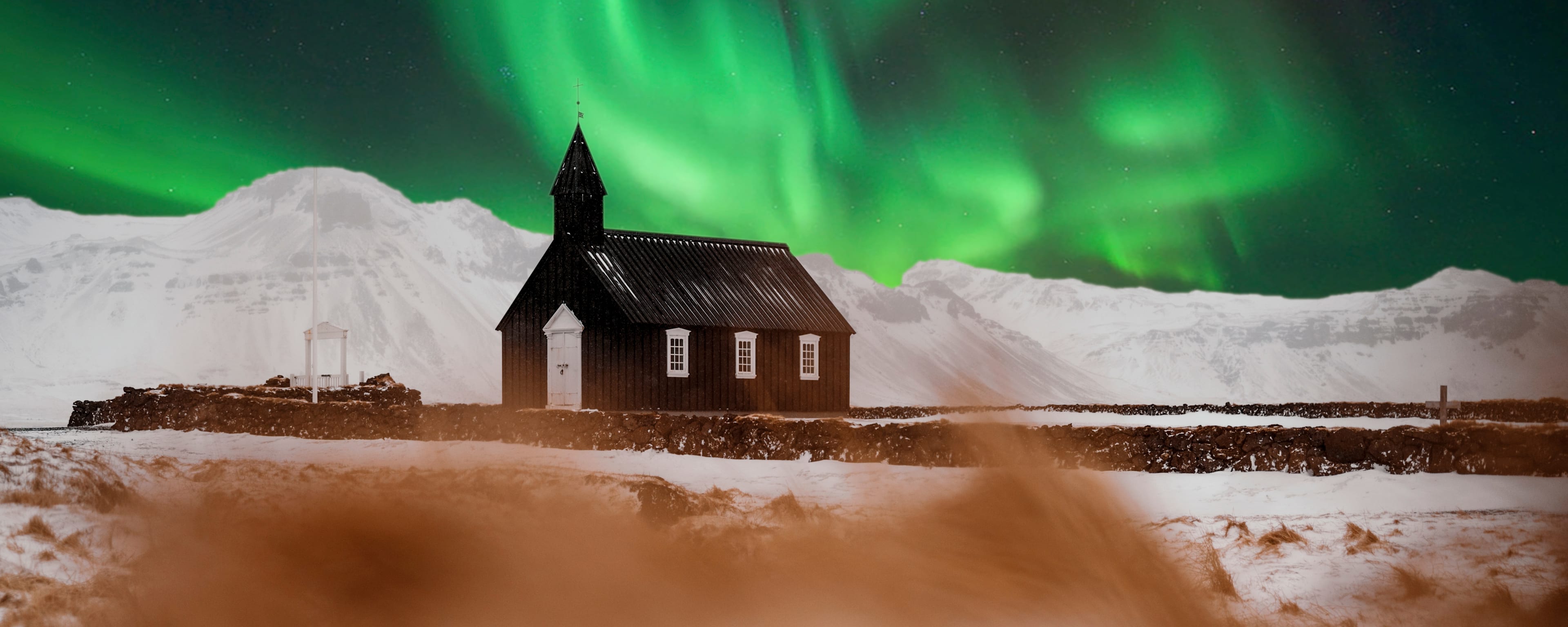
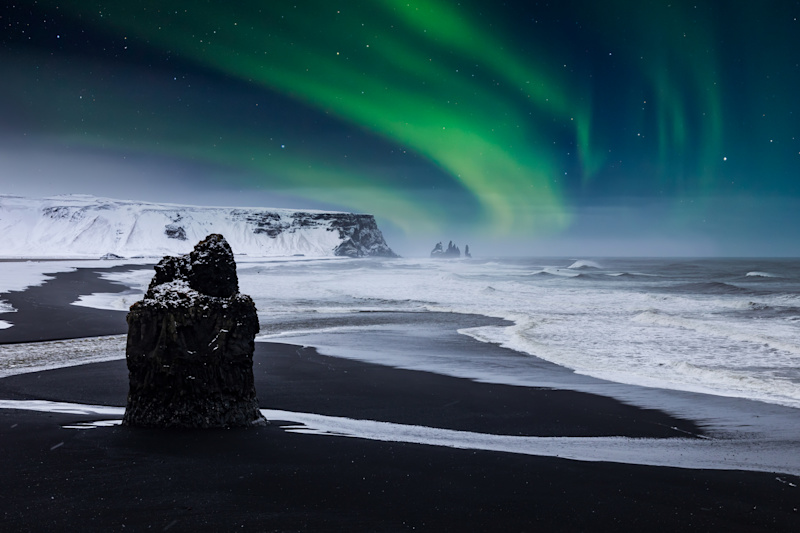
Stand on the black sand near Vík in daylight, and you see basalt, surf, and sea stacks rising from the water. Stand on the same beach on the right night and the sky takes over. When you travel with a private guide, they’ll know both versions of that place, and which evening favors the second.
That knowledge comes from reading the season, the clouds, the sun’s activity, and how far each lodge sits from the nearest streetlight. Some months give long, dark evenings to work with. Others give almost none. Telling them apart is how you pick the best time to visit Iceland for northern lights.
Discover the northern lights with our private‑guided Iceland tours, thoughtfully designed around the best viewing locations, seasonal conditions, and experiences that matter most to you.
The best time to visit Iceland for northern lights is generally September through March, although sightings are also possible in late August and April. Nights are longest in midwinter. Days are shortest then too.
“My personal recommendation for the best months to travel to Iceland for aurora viewing opportunities is November and March. Both offer a good balance of daylight hours for touring as well as long nights with plenty of opportunities for the Northern Lights,” says Kensington Destination Expert Eoin Boyne.
September offers a similar balance at the start of the season, once darkness returns after the Midnight Sun season in July and August. Clear skies and favorable solar activity ultimately determine whether the lights are visible.
The northern lights can appear at any time of day, but sunlight makes them difficult or impossible to see. This is why darkness plays such an important role in determining when you can see the northern lights in Iceland. The best viewing conditions combine dark skies, little cloud cover, and favorable aurora activity. Complete astronomical darkness, when the sun is at least 18 degrees below the horizon, provides the darkest skies, although sightings are also possible during sufficiently dark twilight.
In Reykjavík, full astronomical darkness returns in early September, reaches nearly 13 hours around the winter solstice, and disappears around mid‑April. However, the northern lights can sometimes be visible during darker twilight, extending the potential viewing season from late August into April.
Darkness alone is not enough. Cloud cover can obscure the aurora, while geomagnetic conditions influence its visibility and intensity. The Icelandic Meteorological Office publishes aurora activity forecasts on a scale from 0 to 9, but a low activity rating doesn’t rule out a visible display.
The auroral oval surrounds Earth's geomagnetic pole and shifts in position and intensity with geomagnetic conditions. Iceland lies within the auroral viewing zone, making sightings possible across the country. Displays are often most frequent around 11 PM, although they can appear at other times whenever the sky is sufficiently dark. Timing is only one variable. The other is whether the sky is clear that night.
“Our guides use specialized apps that monitor cloud coverage and solar activity in real time, ensuring they position you directly under clear skies to maximize your viewing opportunities,” says Destination Expert Eoin Boyne. “They have the flexibility to travel across a large area to actively hunt the lights down, as opposed to stationary small-group tours where you are fixed in one spot and simply hoping the sky clears above you.”
Across Iceland’s northern lights season, daylight sets how much touring each month allows, and full darkness sets how much aurora sky you get. The hours left over are twilight, when the sun is down but the sky still glows. Here is a guideline for approximate daylight in Iceland by month.
Month | Daylight in Reykjavík on the 1st; Hours | Full Darkness on the 1st; Hours | Suits |
September | 14.6 | 0 | Long days, first dark evenings |
October | 11.4 | 7.2 | Even mix of touring and dark |
November | 8.0 | 10.5 | Short days, long nights |
December | 5.0 | 12.5 | Short days, approaching winter solstice |
January | 4.4 | 12.8 | Long nights, days lengthening |
February | 7.1 | 11.1 | Days lengthening, nights still long |
March | 10.2 | 8.4 | Daylight touring plus strong dark |
April | 13.5 | 3.8 | Early dark skies, limited viewing hours |
Full astronomical darkness returns around early September and reaches nearly five hours by mid‑month. Days still run about 13 hours by then, so you can tour from breakfast to dinner and step outside afterward.
The September equinox, in the last week of the month, brings more frequent geomagnetic storms, the disturbances in Earth's magnetic field that drive bright displays. That makes September the easiest month to combine touring with the first dark evenings.
By mid‑October, full darkness lasts nearly nine hours and daylight still covers close to 10. You can spend a day on the Golden Circle and be outside again by 9 PM, when the usual viewing hours begin. That even split makes October the best time to visit Iceland for northern lights if you want the landscapes by day and the lights by night.
Daylight lasts about eight hours in November and four at the winter solstice. In early January, the sun rises after 11 AM in Reykjavík. These months offer the longest nights for northern lights viewing, with roughly 10 to 13 hours of full darkness.
Snow‑covered landscapes make winter especially scenic, but icy roads and sudden storms can disrupt travel. An experienced private driver and flexible itinerary can accommodate changing conditions, while a secluded countryside lodge offers opportunities to see the aurora without long nighttime journeys.
Daylight climbs from seven hours in early February to ten hours in early March. Full darkness still lasts about eleven hours at the start of February and more than eight at the start of March. The March equinox brings the second seasonal rise in geomagnetic storms.
Together, these give you daylight for excursions and long nights for the sky, so both months suit itineraries that mix touring and aurora evenings.
April offers fewer viewing hours as the nights shorten. Full astronomical darkness disappears in April in Reykjavík, but northern lights can still be visible later in the month when twilight is sufficiently dark and conditions are favorable.
Cloud cover can obscure the northern lights entirely, while light pollution from towns and cities makes fainter displays harder to see. When deciding where to stay to see northern lights in Iceland, look for countryside accommodation away from city lights, with open views of the sky. From a countryside lodge, you can step outside when the aurora appears.
“Two of my favorite options are Selfoss and Húsafell. Hotel Geysir in Selfoss, and Hotel Húsafell offer a Northern Lights wake‑up call,” says Eoin.
Ask to be signed up when you check in. If the lights are visible, staff will call your room, and you can step outside without waiting up all night. The regions below offer different settings and travel options for northern lights viewing.
Region | From Reykjavík | Setting | Best For |
Golden Circle | About 45 minutes by car to Þingvellir | Rift valley, geothermal area, waterfall | First or last night |
South Coast and Vík | About 116 miles (186 km) to Vík | Black sand, basalt, waterfalls | Three nights or more |
Snæfellsnes Peninsula | About two hours by car | Kirkjufell and a glacier‑capped volcano | Slower routes between small towns |
North Iceland and Akureyri | 45-minute flight | Long fjord and the Mývatn area | Travelers who prefer flying to driving |
Westfjords | 40- to 50-minute flight to Ísafjörður | Remote fjords | Remoteness over convenience |
The Golden Circle is easily accessible from Reykjavík, with Þingvellir about 45 minutes away by car, followed by the Geysir geothermal area and Gullfoss waterfall. Þingvellir, a rift valley and UNESCO World Heritage Site since 2004, is open year‑round, including overnight.
A nearby countryside stay suits your first or last night, allowing daytime exploration and northern lights viewing after dark.
Vík lies approximately 116 miles from Reykjavík and is Iceland's southernmost mainland village. Nearby attractions include Reynisfjara's black sand and basalt formations, Dyrhólaey's sea arch, and the 200-foot Skógafoss waterfall. The coastline also offers striking northern lights backdrops, although visitors to Reynisfjara must respect access restrictions and keep well away from dangerous sneaker waves.
Jökulsárlón glacier lagoon lies 236 miles from Reykjavík, around five hours by car or seven to eight with sightseeing stops. An overnight stay east of Vík allows more time to explore. Here, icebergs from Breiðamerkurjökull, an outlet glacier of Vatnajökull, drift across the lagoon, sometimes reflecting the northern lights.
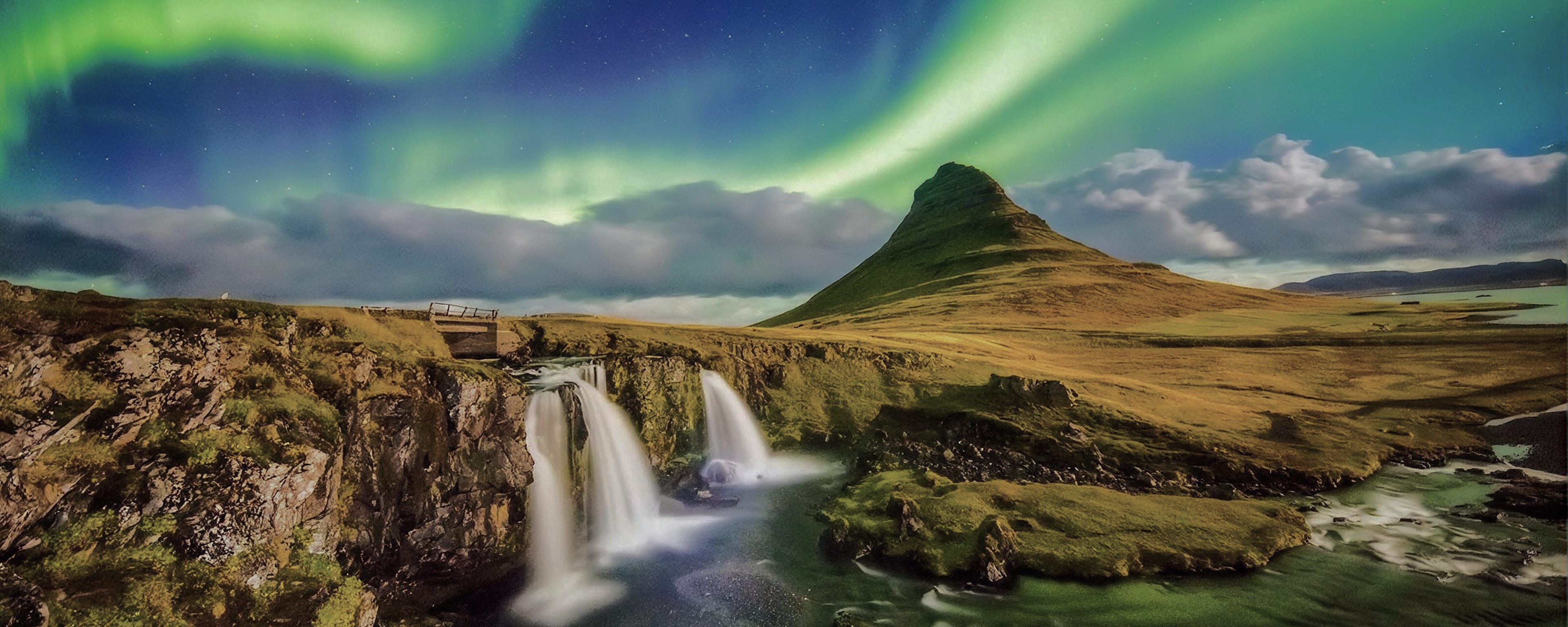
Snæfellsnes is about two hours from Reykjavík, depending on your destination, although winter weather can affect access. Kirkjufell, a 1,519‑foot mountain near Grundarfjörður, and the 4,744‑foot glacier‑capped Snæfellsjökull volcano provide distinctive northern lights backdrops. The peninsula suits a leisurely itinerary, with Stykkishólmur and Ólafsvík offering convenient bases.
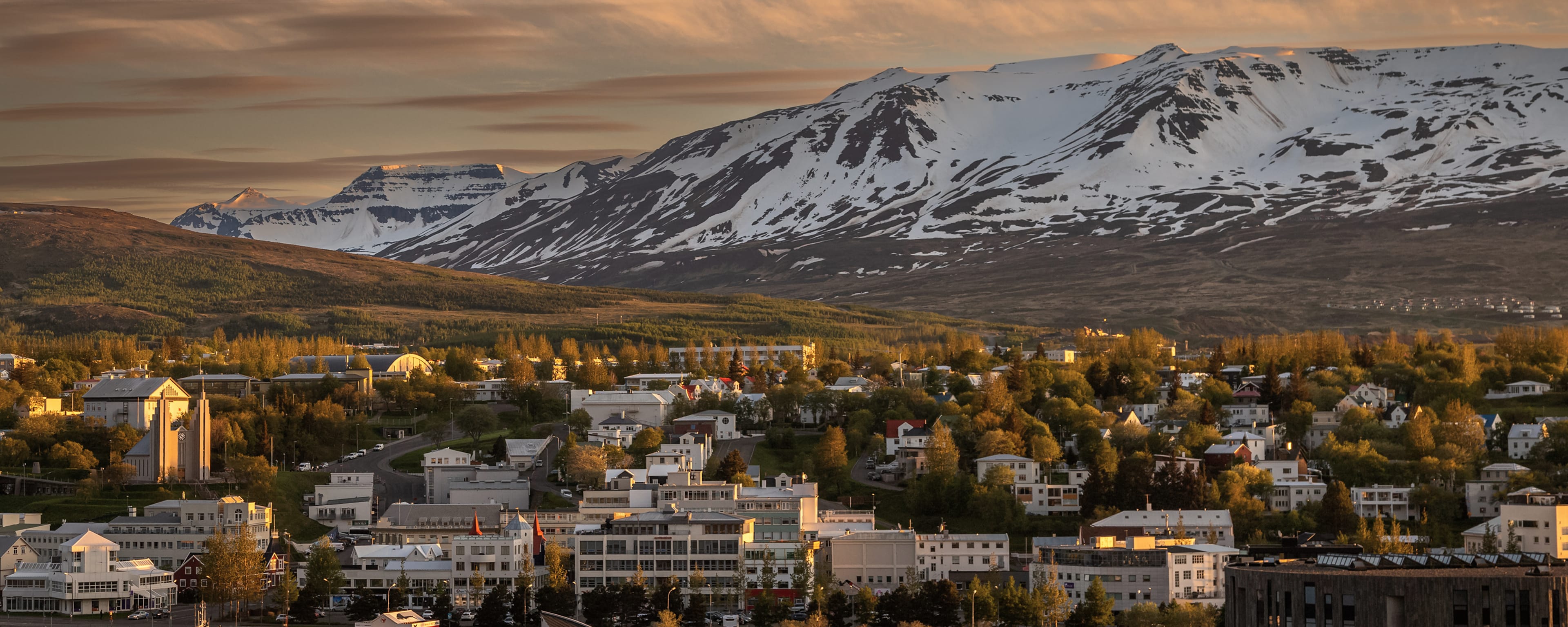
Akureyri is approximately a 40‑minute flight from Reykjavík Domestic Airport, with scheduled Icelandair services throughout the year. Iceland's second‑largest urban area sits beside Eyjafjörður, one of the country's longest fjords, and provides access to Lake Mývatn and Dettifoss waterfall.
In December, Akureyri has roughly an hour less daylight than Reykjavík, but latitude alone doesn't determine where to go in Iceland for northern lights. Cloud cover, geomagnetic activity, and light pollution matter more. Northern Iceland's quieter countryside offers excellent viewing opportunities when conditions cooperate.
The Westfjords offer secluded northern lights viewing among remote fjords, towering mountains, and minimal light pollution. Ísafjörður lies about 283 miles from Reykjavík, a five‑ to six‑hour drive in good conditions or a 40‑ to 50‑ minute flight. The sparsely populated region appeals to travelers seeking solitude and expansive night skies.
Winter snow, strong winds, and mountain road closures can complicate access. Flying avoids the long drive but remains weather‑dependent, while an experienced private driver and flexible itinerary can accommodate changing conditions.
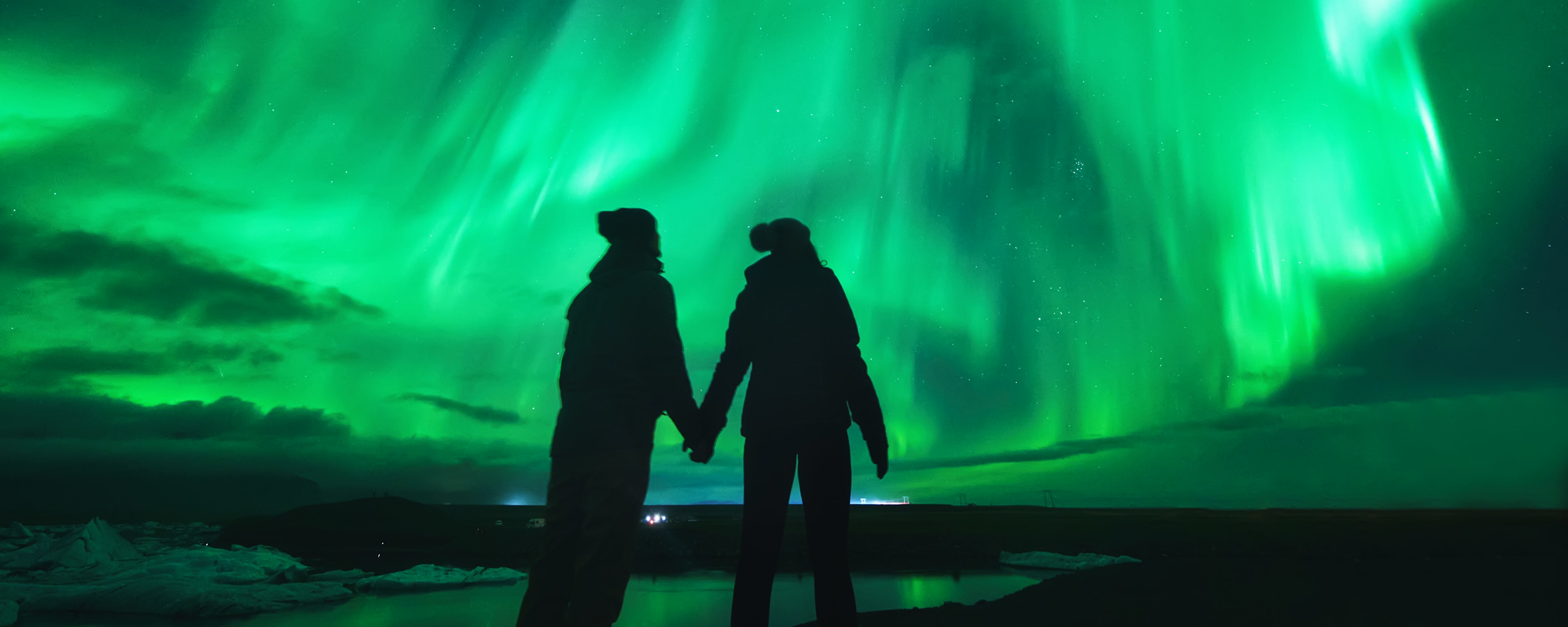
Three nights offers several chances to see the northern lights, but five to seven allows more flexibility around unfavorable weather. The Icelandic Meteorological Office provides cloud forecasts several days ahead, helping private guides plan excursions for clearer evenings. A longer stay is especially worthwhile if aurora viewing is your main priority.
Plan multiple viewing evenings while leaving time for daytime exploration. Where those evenings fall in the trip matters.
“The advice I always give to clients is that the weather is completely unpredictable, so try to schedule the first hunt for the Northern Lights as near to the start of the trip as possible. That way, if they do not see them on the first attempt, there are more opportunities remaining,” says Eoin.
The days around those attempts are easy to fill. The Golden Circle, Skógafoss and Reynisfjara on the South Coast, and Kirkjufell on Snæfellsnes are worth visiting regardless of nighttime conditions.
A well‑planned Iceland itinerary can combine the Golden Circle, South Coast, and Snæfellsnes Peninsula, balancing northern lights viewing with daytime exploration. You might spend a night near Þingvellir before continuing to Vík for three nights, with Reykjavík as your starting or finishing point. The Blue Lagoon, near Keflavík International Airport, makes a convenient stop after arrival, while Sky Lagoon near Reykjavík offers a relaxing experience before departure.
Planning around the best time to visit Iceland for northern lights allows more opportunities to see the aurora. Our Iceland tours can include private guides, dedicated drivers, and secluded countryside lodges selected for their viewing conditions. Your Destination Expert can arrange an itinerary with enough flexibility to adjust evening excursions according to weather and aurora forecasts, without compromising your daytime experiences.
 Request a quote
Reykjavik, Akureyri, Husafell
Chase Icelandic winter thrills with glacial peaks, fiery landscapes, and the magic of the Northern Lights
 Request a quote
Reykjavik
Witness Iceland's natural wonders transformed by winter: aurora, ice, and geothermal contrast
Reykjavik, Husafell, Selfoss
Discover Iceland's essentials, from the iconic Golden Circle to volcanic black sand beaches along the coast
All our itineraries are starting points, created to inspire and always customized for our clients. If you already have ideas, let us know your interests and preferences so we can craft an itinerary just for you.
Sign up to receive the latest on Luxury Travel, thought leadership, exclusive offers, specials and events.









Experience authentic travel. Request a custom quote today and get one step closer to your personalized trip.
Speak to one of our Destination Experts at 1 888 903 2001
 Request a quote