KENSINGTON CARES
From Conflict to Coexistence: A Q&A with Kim Frank
By Kensington Cares
KENSINGTON CARES
By Kensington Cares
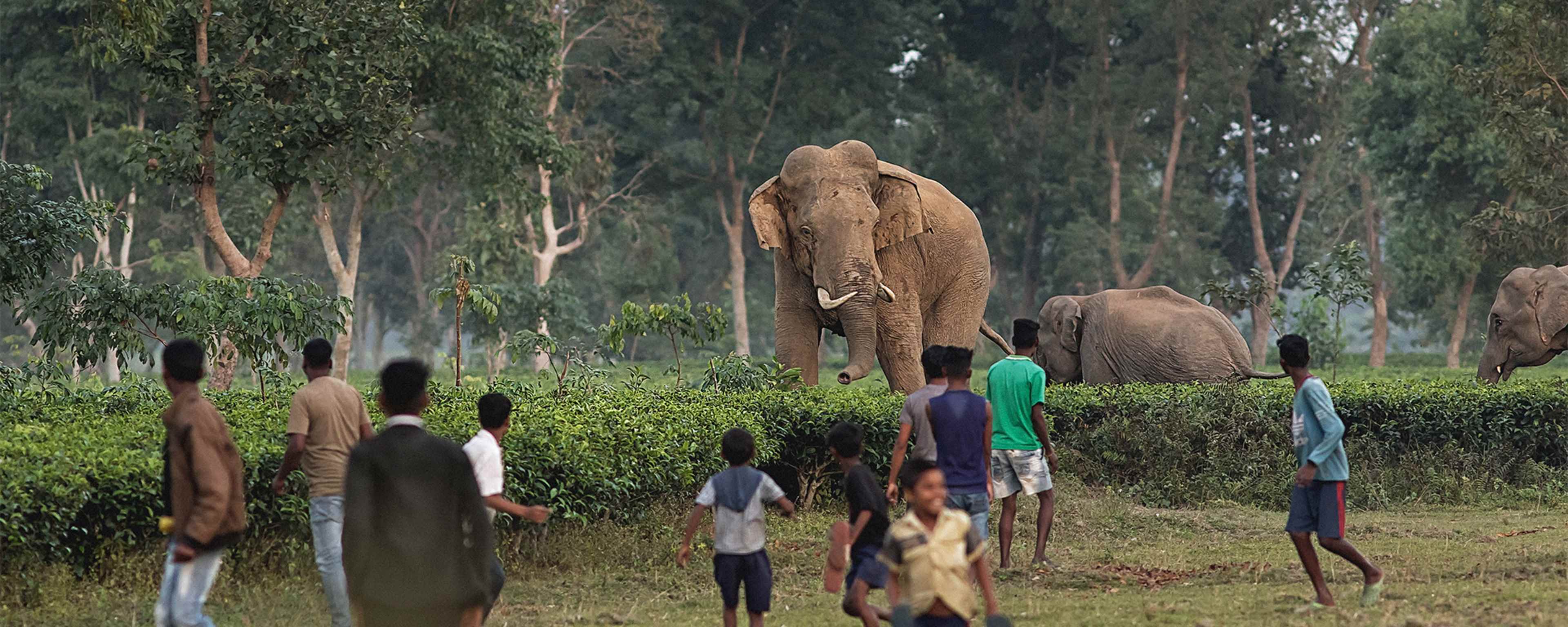
Here, habitat loss and climate change are threatening one of the world’s most iconic species. With support from the Kensington Conservation Grant, Kim has documented innovative conservation efforts in the Himalayan foothills, while amplifying the sacred connections between local communities and the endangered Asian elephants.
Kim Frank is one of the inaugural recipients of the 2025 Kensington Conservation Grant, a $1,000,000 initiative launched in partnership with The Explorers Club through Kensington Cares to support critical conservation work. Through this grant, we aim to make a meaningful global impact by supporting researchers and storytellers working on the front lines of environmental protection.
We had the chance to speak with Kim about her work, learning more about her impactful project and her experience as an explorer.
It’s been said that ‘exploration is curiosity in action.’ I’ve always been curious—I was the kind of child who read obsessively and asked incessant questions. While I had many life experiences exploring cultures and new landscapes, my formal entry into exploration happened through writing. I began by writing with explorers, eventually joining expeditions to write for a broader audience. My fascination with the human-elephant conflict began with a trip to India in 2018.
That one trip turned into several articles, a book, and later a documentary, with many trips returning to the region. Most recently, I undertook a 2,300-kilometer expedition along the ancient Asian elephant migration path from the Indo-Nepal border, through Assam into Arunachal Pradesh to trace the full migration corridor, supported by the Kensington Conservation Grant.
A photographer friend told me about witnessing wild Asian elephants pooling in scant forests near human settlements along the Indo-Nepal border and I asked if she would consider telling that story together.
When I arrived in North Bengal, India, I found myself in a landscape where traditional elephant routes cut across railways, tea plantations, military zones, and farming villages. The region’s complexity—environmental, cultural, and political—made me realize that this was a multi-faceted story with deep spiritual roots. To tell it with respect would require significantly more time there, learning from the local people who are living with this conflict every day. My love for the landscape, wildlife, and the people—all trying to survive and co-exist there—continues to challenge me to communicate this complicated and important story to a Western audience.
I want this work to first educate people about Asian elephants and the threats they face. I also want people to think about elephants not just as an endangered species, but as beings in relationship with people, land, memory, and belief. My goal is to build empathy for the people whose lives are at risk in these communities but keep fighting for peaceful coexistence.
I hope this project contributes to policy conversations and conservation efforts by listening deeply to local voices, especially in areas that are often overlooked. Elephants are beloved by so many around the world, and in this way, they are a terrific unifier, delivering the message of urgency for our peaceful coexistence with the natural environment.
The Kensington Conservation Grant made it possible for me to take on a much larger journey. I’ve spent eight years telling stories that illuminate the human-Asian elephant conflict for a Western audience, but something was missing: the direct voices of those who have lived with elephants along the ancient routes for generations.
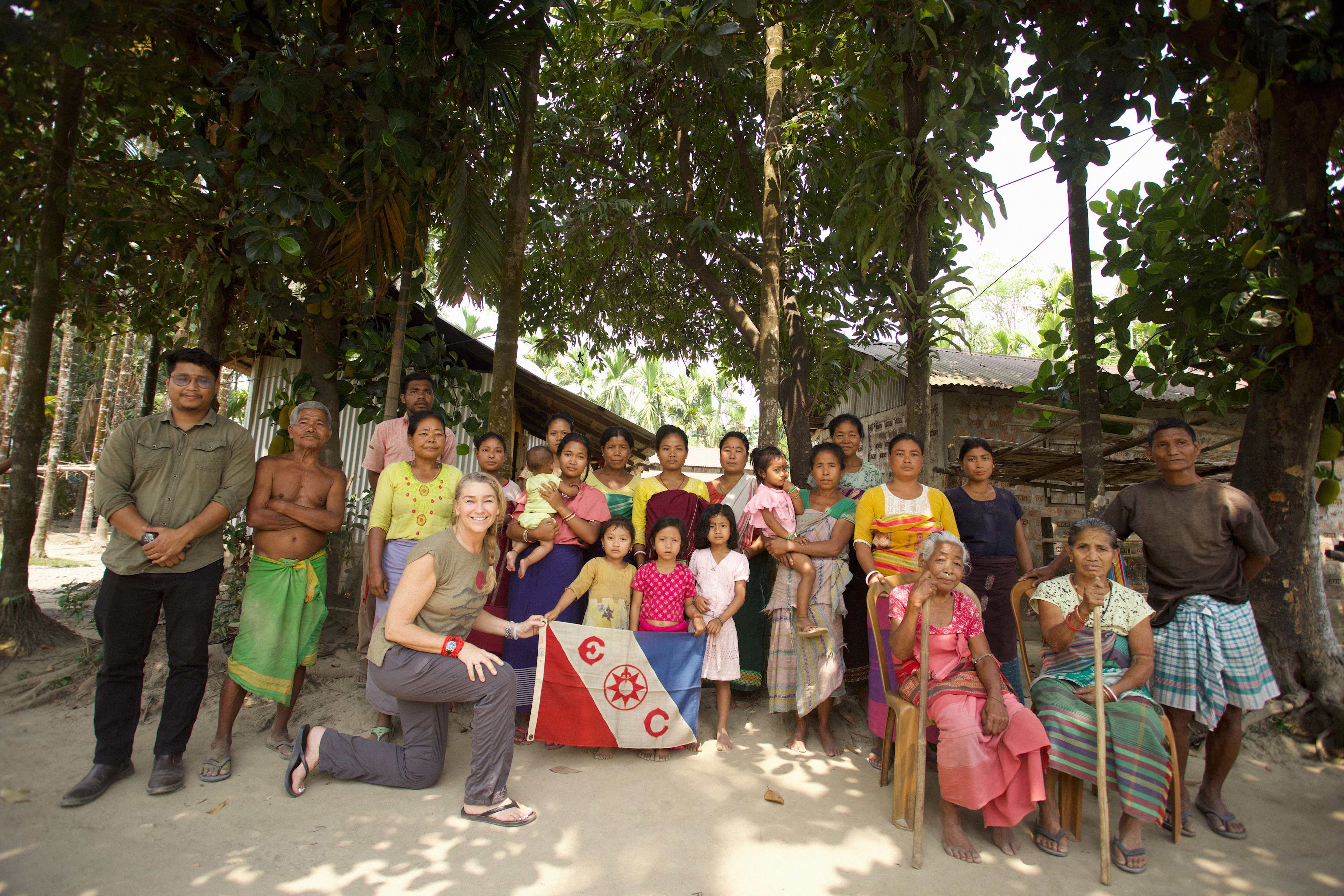
We began at Indo-Nepal border, following the Brahmaputra River and reaching Eaglenest Sanctuary—where elephants have been seen regularly passing at elevations of 9,000 feet. Our team documented elephant stories, life stories, how things have changed and what locals believe is hope for the future. We met with people from 12 different tribal communities and five different religions, who spoke an amalgam of languages.
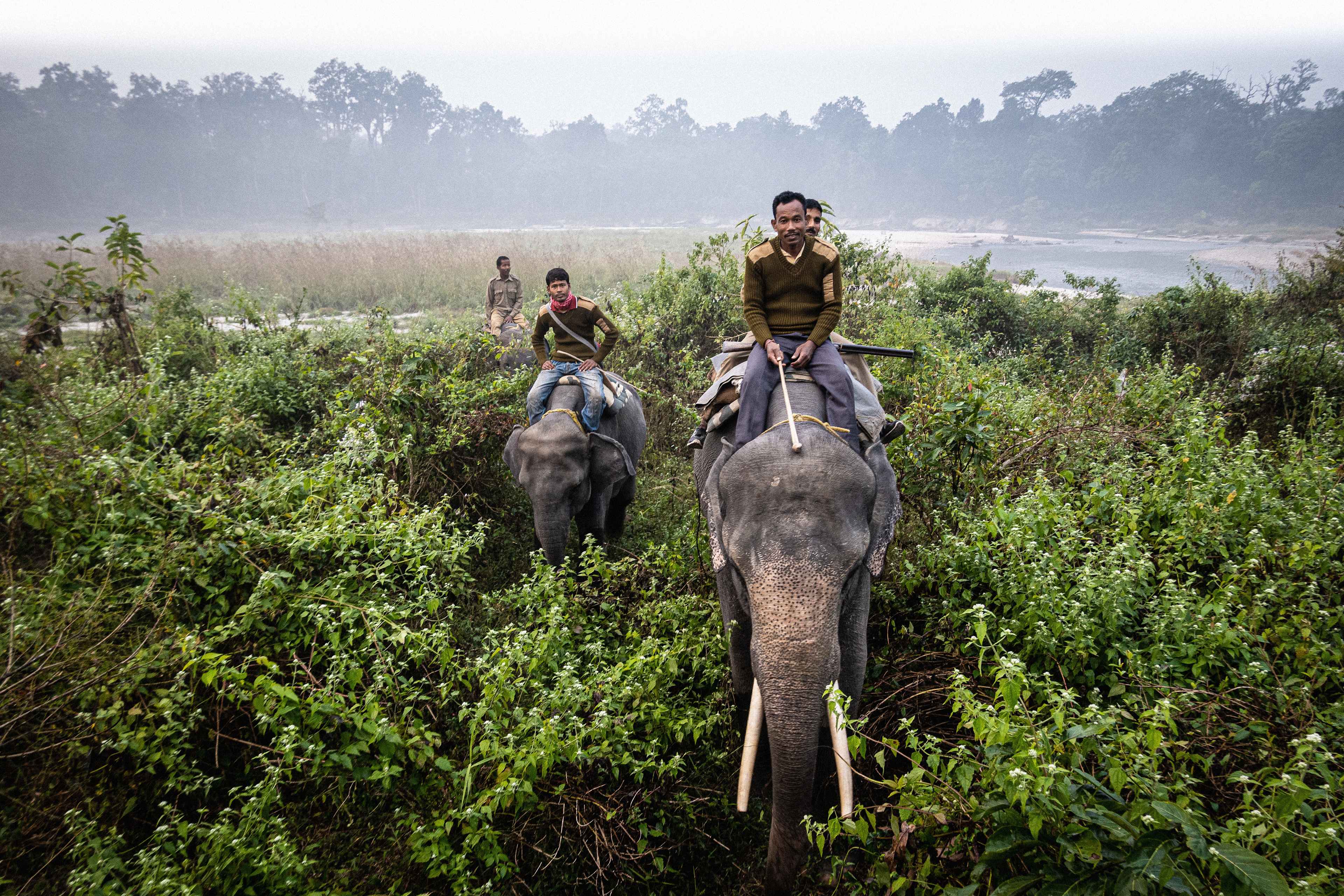
There was one resounding take away: Once upon a time, long ago, humans had a sacred bond with nature, with the forest, and the elephants. At some point, we broke our pact. Now, among those we met along these routes, the effort to restore that bond: recommitting and remembering through sacrifice, hard work, and devotion is showing signs of promise. Thanks to the Wildlife Trust of India, who works with villages to secure safe passage for Asian elephants throughout the country, I was able to experience rewilding efforts and discover meaningful hope for future generations.
To me, exploration means showing up with curiosity and humility. It’s about listening, not just looking. Above all, exploration means sharing stories with respect and collaboration and using them to contribute to a growing body of knowledge about our planet.
One of the most profound moments occurred when discovering elephant footprints on a trail at Eaglenest Sanctuary peak in Arunachal Pradesh at 9,000 feet, among the highest elevations on earth where wild elephants have been recorded. To walk in their footsteps, among thick bamboo at that elevation—where few elephants go—felt like arriving at the edge of something sacred. It was quiet, cold, and humbling. After weeks on the road, this place felt like a culmination, a kind of homecoming I didn’t know I was searching for. It was a moment of overwhelming emotion and surety of purpose all at once.
I’m currently developing my next book based on the lessons learned along the 2,300 kilometer ancient Asian elephant migration route, supported by the Kensington Conservation Grant. That book will weave oral histories, cultural memory, and sacred ecology into a portrait of the human-elephant relationship along the ancient migration route. It’s also important to return these stories to the communities who shared them—which is why I’m working on screenings and a curriculum for children in the borderland regions where I filmed and traveled.
To learn more about this project, check out Kim’s book Elephants in the Hourglass: A Journey of Reckoning and Hope Along the Himalaya or her documentary Where the Forest Roars.
Sign up to receive the latest on Luxury Travel, thought leadership, exclusive offers, specials and events.









Experience authentic travel. Request a custom quote today and get one step closer to your personalized trip.
Speak to one of our Destination Experts at 1 888 903 2001