TRAVEL INSPIRATION
The Best Time to Visit Ireland
By The Kensington Content Team
Reviewed by Megan Harvey, Destination Lead for Ireland & UK
Published March 26, 2026 | Reading Time: 10 mins
TRAVEL INSPIRATION
By The Kensington Content Team
Reviewed by Megan Harvey, Destination Lead for Ireland & UK
Published March 26, 2026 | Reading Time: 10 mins
May through June and late September through early October offer Ireland’s most balanced travel conditions, with mild weather, vibrant landscapes, and fewer crowds than peak summer.
July and August bring festival energy and maximum daylight, but also the highest visitor numbers, particularly in destinations like Galway, Kerry, and the Dingle Peninsula.
Winter and early spring provide quieter, more intimate travel experiences, ideal for city stays, historic estates, and cultural exploration in Dublin, Belfast, and beyond.
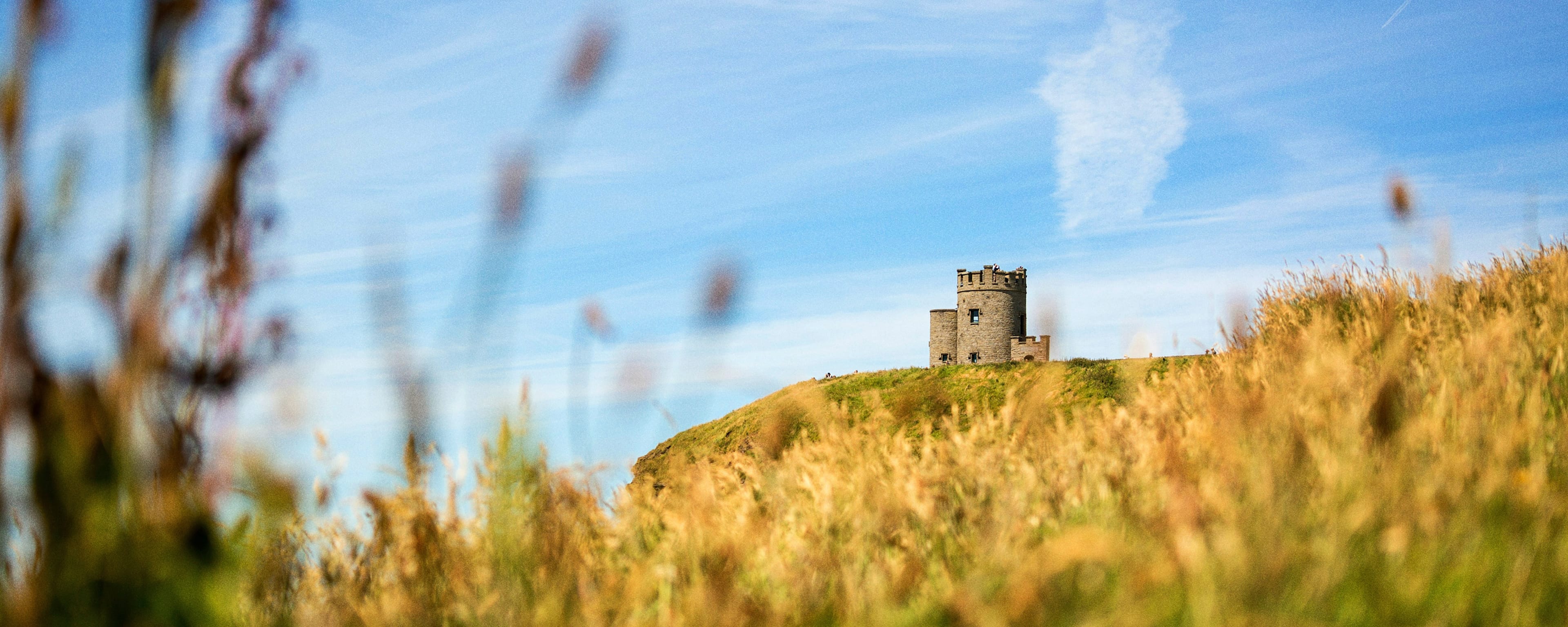
Ireland is a destination shaped as much by its atmosphere as its landscapes. Mist rolling across emerald hills, Atlantic waves crashing against rugged cliffs, traditional music spilling out of candlelit pubs… each season reveals a different rhythm of the island.
Timing your visit can dramatically shape your experience. Summer brings long daylight hours perfect for scenic drives and coastal exploration, while spring and fall offer quieter roads and atmospheric countryside. Winter, meanwhile, invites travelers to experience Ireland’s cities and historic estates at a slower, more intimate pace.
According to Kensington’s Ireland Destination Lead Megan Harvey, the key to planning the perfect Irish journey is matching the season to your travel style.
“Ireland is wonderful year-round,” she explains. “But the experience changes beautifully throughout the seasons, whether that means wildflowers in the Burren, puffins along the Skellig Coast, or cozy winter evenings in Dublin.”
This guide explores the best times to visit Ireland, from vibrant cities to iconic coastal regions.
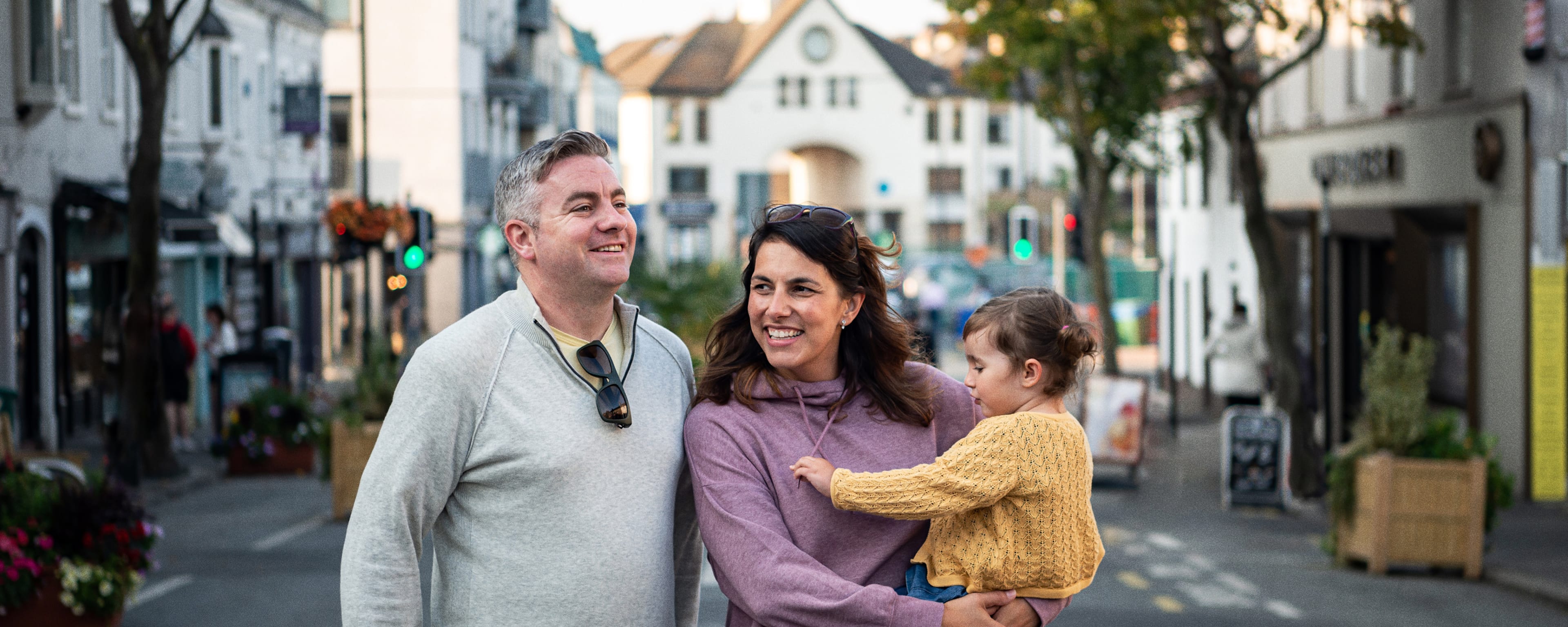
Dublin is a vibrant city year-round, but May through June and late September through October offer the most balanced travel conditions.
Late spring brings extended daylight, allowing travelers to combine city exploration with nearby coastal excursions to Howth or the Wicklow Mountains. “In May and June the city feels incredibly lively without being overwhelming,” says Megan. “Terraces are open, literary walking tours are in full swing, and you can easily add day trips along the coast.”
Early fall is another wonderful time to visit. Visitor numbers begin to taper, restaurant reservations become easier, and nearby parks display warm autumn colors.
Less common travel windows also offer unique appeal. March attracts travelers eager to experience St. Patrick’s Festival, while December transforms Dublin with festive markets and holiday lights.
Belfast combines compelling history with easy access to Northern Ireland’s dramatic coastline.
The best time to visit is May through June and September through early October.
Late spring is particularly appealing for travelers combining Belfast’s cultural highlights with road trips along the Causeway Coast. “Longer daylight hours make it easy to explore both the city and the coast,” Megan explains. “You can visit the Titanic Quarter, take a political history tour, and still drive the Antrim Coast in a single day.”
In early fall, fewer tour buses visit major attractions like the Giant’s Causeway, allowing for a more intimate experience of the region’s dramatic landscapes.
December also offers a charming city atmosphere thanks to the Belfast Christmas Market at City Hall.
Galway is known as Ireland’s cultural capital: lively, colorful, and deeply rooted in music and arts. The best times to visit here are May, June, and late September.
Late spring brings long evenings, café culture spilling into the streets, and lively traditional music sessions that continue well after sunset. “Galway thrives in late spring,” Megan says. “The energy is wonderful, but without the density of visitors you see in midsummer.”
Nearby Connemara National Park is also spectacular during this time, with lush landscapes ideal for hiking and scenic drives.
Late September is another excellent travel window, particularly for culinary travelers, when the Galway International Oyster Festival brings a festive yet manageable energy to the city.
July hosts the Galway International Arts Festival, one of Ireland’s most important cultural events, but this also make it the busiest time of year.
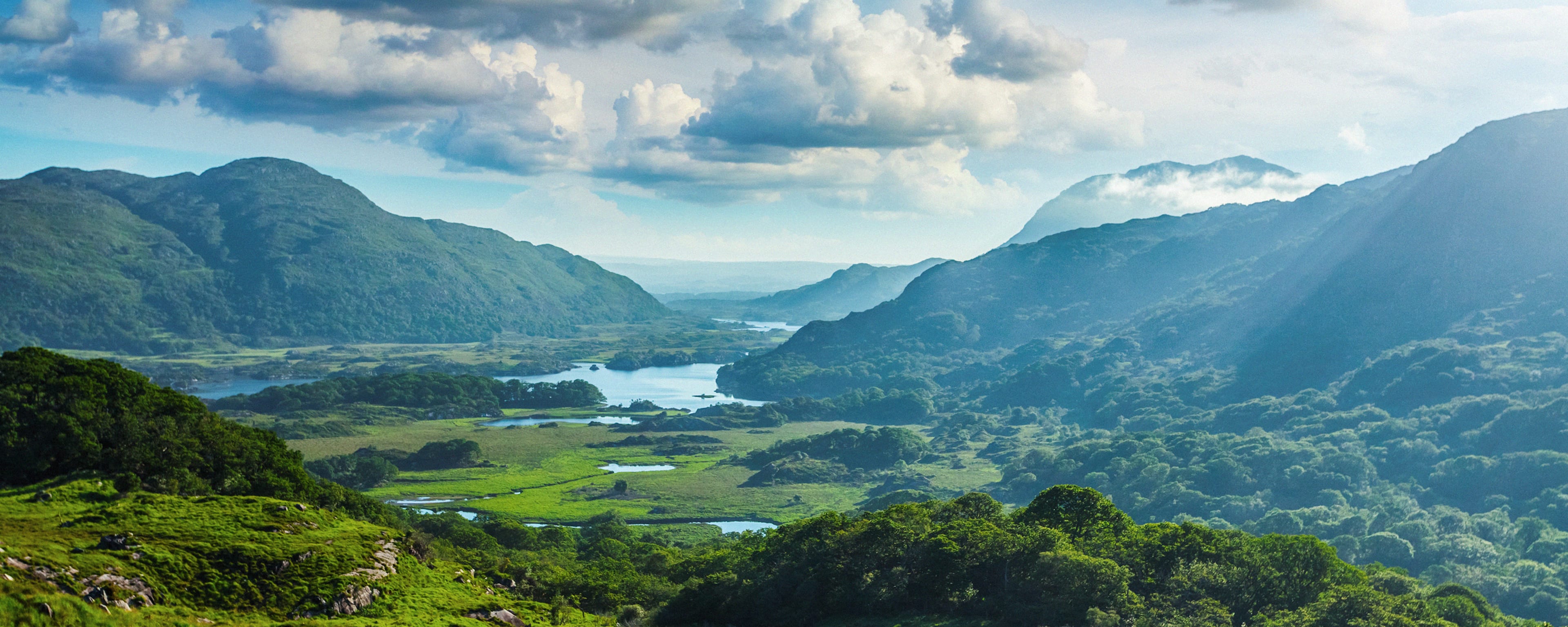
The iconic Cliffs of Moher and the unique limestone landscape of The Burren are best experienced during May through June and late September.
Late spring is particularly special in the Burren, when rare wildflowers bloom across the rocky terrain. “It’s one of the most surprising landscapes in Ireland,” Megan notes. “You’ll see delicate alpine plants growing beside Mediterranean species. It’s extraordinary.”
Longer daylight hours allow for private guided walks along the cliffs with clearer visibility than deeper shoulder seasons.
Late September offers a quieter experience, when fewer coach tours visit the cliffs and the dramatic Atlantic skies create beautiful photographic conditions.
The Ring of Kerry and nearby Killarney National Park are among Ireland’s most scenic regions. The best time to visit is May through June and late September through early October.
Spring showcases the park at its most vibrant, with rhododendrons blooming around Muckross House and fresh greenery framing the lakes and mountains. “This is one of my favorite times for scenic drives,” Megan says. “The landscapes are incredibly lush and the roads feel relaxed compared to peak summer.”
Wildlife lovers may also time their visit with puffin season, which runs from May through early July on nearby Skellig Michael.
Early autumn brings quieter roads and stunning fall colors across the park’s forests.
The Dingle Peninsula is one of Ireland’s most atmospheric destinations, especially appealing to travelers seeking authentic village life and dramatic Atlantic scenery. The best times to visit are May through June and late September.
During late spring, the famous Slea Head Drive is far less congested than during summer months, and Atlantic light conditions are ideal for coastal photography. It’s also a wonderful time to explore the peninsula’s remarkable early Christian beehive huts, ancient stone structures perched along Europe’s western edge.
Spring also coincides with lambing season, when visitors may have opportunities on working farms to meet and bottle-feed newborn lambs.
Late September offers a quieter village atmosphere in Dingle town, while early October brings the lively Dingle Food Festival, celebrating the region’s culinary heritage.
January is quiet and atmospheric across Ireland. Cities like Dublin and Belfast are ideal for privately guided exploration, with minimal crowds at museums and historic sites. “This is a great time for travelers who prioritize privacy and access,” Megan says.
Rural touring is possible but weather-dependent, and some countryside properties operate on reduced schedules.
February continues the calm winter rhythm. Urban destinations offer excellent availability and relaxed pacing, while the Atlantic coast can showcase dramatic winter seascapes. Photographers and nature lovers often appreciate this quieter (if colder) time of year.
March naturally centers around St. Patrick’s Festival, particularly in Dublin. Outside festival week, crowd levels remain manageable and early signs of spring begin to appear across the countryside.
March also marks the beginning of lambing season, offering memorable farm experiences in regions like Dingle and Kerry.
Spring touring truly gains momentum in April. The Burren begins displaying its rare wildflowers, while countryside estates reopen and scenic drives become increasingly appealing.
“April offers a wonderful balance of value and experience,” Megan notes. “Many of Ireland’s best estates are open again, but without summer demand.”
May is one of Ireland’s most desirable travel windows. Landscapes are vibrant, wildflowers bloom, and daylight stretches long into the evening.
Puffin season begins along the Skellig Coast, while golf courses across Ireland are in peak condition. Preferred countryside estates and private driver-guides are often booked well in advance for this month.
June offers near-maximum daylight and lively cultural energy. Coastal drives, national park hikes, and Atlantic boat excursions are all at their best.
Literary travelers may enjoy Bloomsday on June 16, when Dublin celebrates James Joyce’s Ulysses with city-wide events.
July is Ireland’s busiest travel month. The Galway International Arts Festival draws international visitors, while the Galway Races add high-energy excitement to the region.
Maximum daylight hours make this month ideal for travelers seeking lively events and long scenic days.
While very busy, August is one of the best times to explore Ireland, with long daylight hours, lively festivals, and green landscapes at their peak.
The whole country feels vibrant and welcoming, from coastal drives along the Wild Atlantic Way to the welcoming charm of village pubs. Mild weather makes it ideal for hiking, sightseeing, and experiencing local culture at its fullest.
Early September can still feel lively, but by mid-month the pace becomes more relaxed. “The second half of September is one of Ireland’s most refined travel windows,” Megan explains.
Events such as the Galway Oyster Festival and Dingle Food Festival add strong culinary appeal.
October introduces warm autumn colors across inland estates and national parks. Road congestion decreases, scenic touring becomes more relaxed, and the Belfast International Arts Festival adds cultural depth.
For travelers who value ambiance and slower pacing, early October is particularly appealing.
November in Ireland is quiet and introspective, with shorter daylight hours encouraging travelers to focus on Ireland’s cultural centers. Dublin, Galway, and Belfast offer excellent food, literature, and architecture experiences.
December brings festive charm to Ireland’s cities. Christmas markets, seasonal décor, and holiday lights create a warm atmosphere in Dublin and Belfast. Rural touring becomes more limited due to seasonal closures, but city stays feel especially cozy.
Whether your dream of a coastal drive along the Wild Atlantic Way, a fireside evening in a historic castle, or traditional music drifting through a Galway pub, the right timing makes all the difference.
Your Kensington Destination Expert is here to design a journey around your travel style, interests, and the rhythm of Ireland’s seasons.
Ready to plan your custom private-guided trip to Ireland? Speak with a Kensington Destination Expert today to create a tailored Ireland itinerary built around your ideal travel season.
Sign up to receive the latest on Luxury Travel, thought leadership, exclusive offers, specials and events.









Experience authentic travel. Request a custom quote today and get one step closer to your personalized trip.
Speak to one of our Destination Experts at 1 888 903 2001