TRAVEL INSPIRATION
The Best Time to Visit Japan
By Maria Wilson
Reviewed by Jo Tudisco Guntert, Destination Lead and Christopher Crooks, Destination Lead for East Asia
Published November 4, 2025 | Reading Time: 9 mins
TRAVEL INSPIRATION
By Maria Wilson
Reviewed by Jo Tudisco Guntert, Destination Lead and Christopher Crooks, Destination Lead for East Asia
Published November 4, 2025 | Reading Time: 9 mins
Every season in Japan offers distinct experiences, from cherry blossoms in spring and vibrant festivals in summer to autumn foliage and serene winter retreats.
Regional highlights include cultural Kyoto, festive Tokyo and Osaka, beachy Okinawa, snowy Hokkaido, and the art-filled Setouchi islands, each with its own best travel windows.
Month-by-month guidance helps match your trip to seasonal events and weather, whether you're chasing sakura (cherry blossoms), autumn leaves, ski slopes, or local festivals.
Japan is a country of ever-shifting beauty. Each season brings its own rhythm, colors, and experiences, from soft cherry blossoms in spring to fiery maple leaves in autumn, snow-dusted temples in winter, and lantern-lit festivals under humid summer skies. The question isn’t so much when to travel in Japan, but what you hope to find here.
Whether you’re dreaming of vibrant street festivals, serene garden strolls, or crisp mountain air, the timing of your visit can elevate every moment. Here, Kensington’s Destination Experts Jo Tudisco Guntert and Christopher Crooks share insider tips and firsthand knowledge to help you choose the perfect time to travel in Japan.
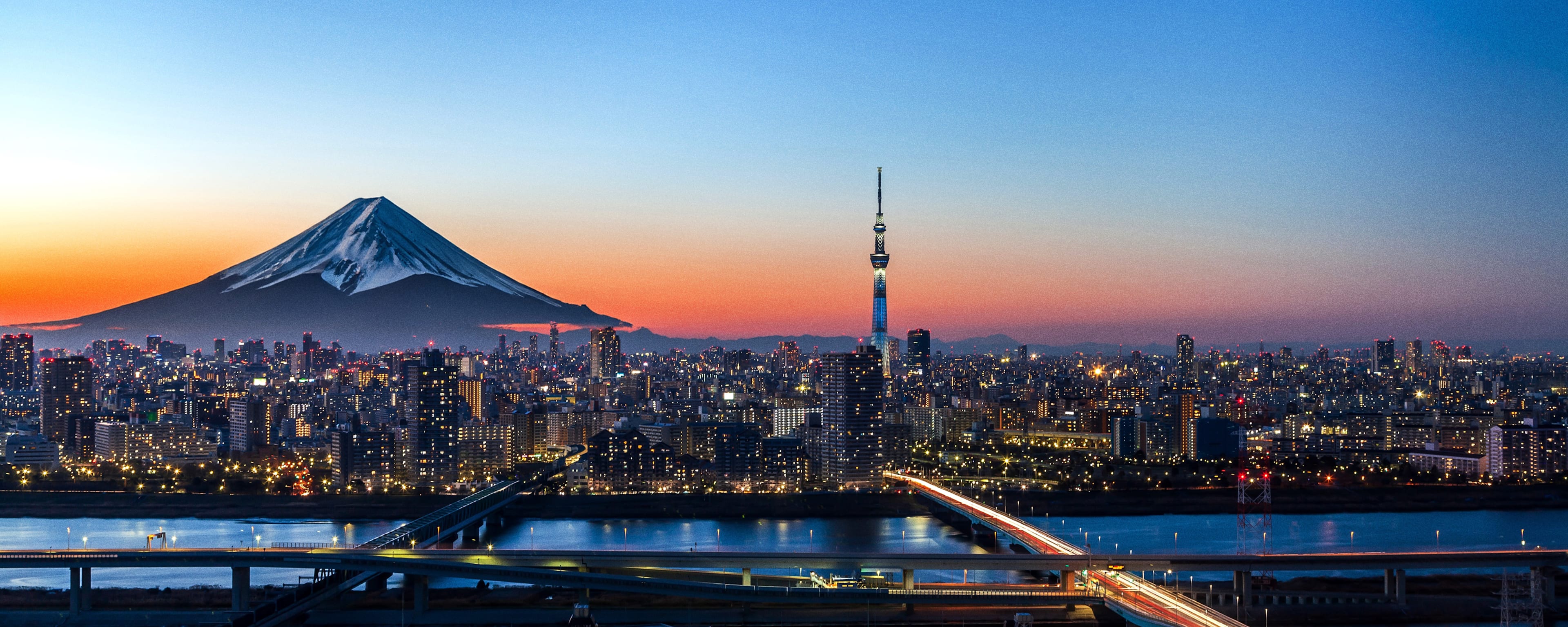
"Spring in Tokyo is electric," says Destination Expert Jo. "The whole city transforms. You’ll see locals reserving spots under the cherry trees with picnic blankets as early as dawn." Late March to early April offers the best of this sakura season, while November to February brings cool, clear air ideal for city views, including glimpses of Mount Fuji from skyscraper observatories. "Even in summer, Tokyo has surprises — the Sumida Fireworks are incredible if you don’t mind the heat. And there’s always air conditioning in the shopping arcades."
Destination Expert Christopher points travelers south in early summer: "Okinawa gives you a different pace altogether. If you’re craving blue water and slow afternoons, May through July is magic." He loves sending families to Okinawa in early summer because of the cultural richness there; for instance, the Eisa Festival in August offers traditional drums and dancing, and a fantastic opportunity to connect with local traditions. One watchout is that he advises avoiding September here due to the typhoon risk.
With its many temples, gardens, and timeless neighborhoods, Kyoto changes its palette with the seasons. According to Jo, spring and autumn are the most popular times to visit; cherry blossoms in Maruyama Park or the Philosopher’s Path draw visitors in early April, while November sets the city aglow in red and gold. For a quieter and more local experience, says Jo, “February is underrated. Plum blossoms bloom, the air is crisp, and the Setsubun festival welcomes spring with bean-throwing rituals… you feel like you have the temples to yourself.” July’s Gion Matsuri is one of Japan’s most celebrated festivals, but it’s also one of the busiest times in the city, so advance planning (and higher budgets) are essential.
Dynamic and food-loving, Osaka is a city that thrives in any season. July is a standout thanks to Tenjin Matsuri, where ornate floats glide down the river and fireworks illuminate the city’s waterways. Christopher says autumn brings milder weather and great street food tours, while winter is ideal for exploring Osaka’s thriving dining scene — think cozy ramen shops and bustling izakayas in Dotonbori. If you're traveling in spring, cherry blossoms in Osaka Castle Park make for a grand spectacle.
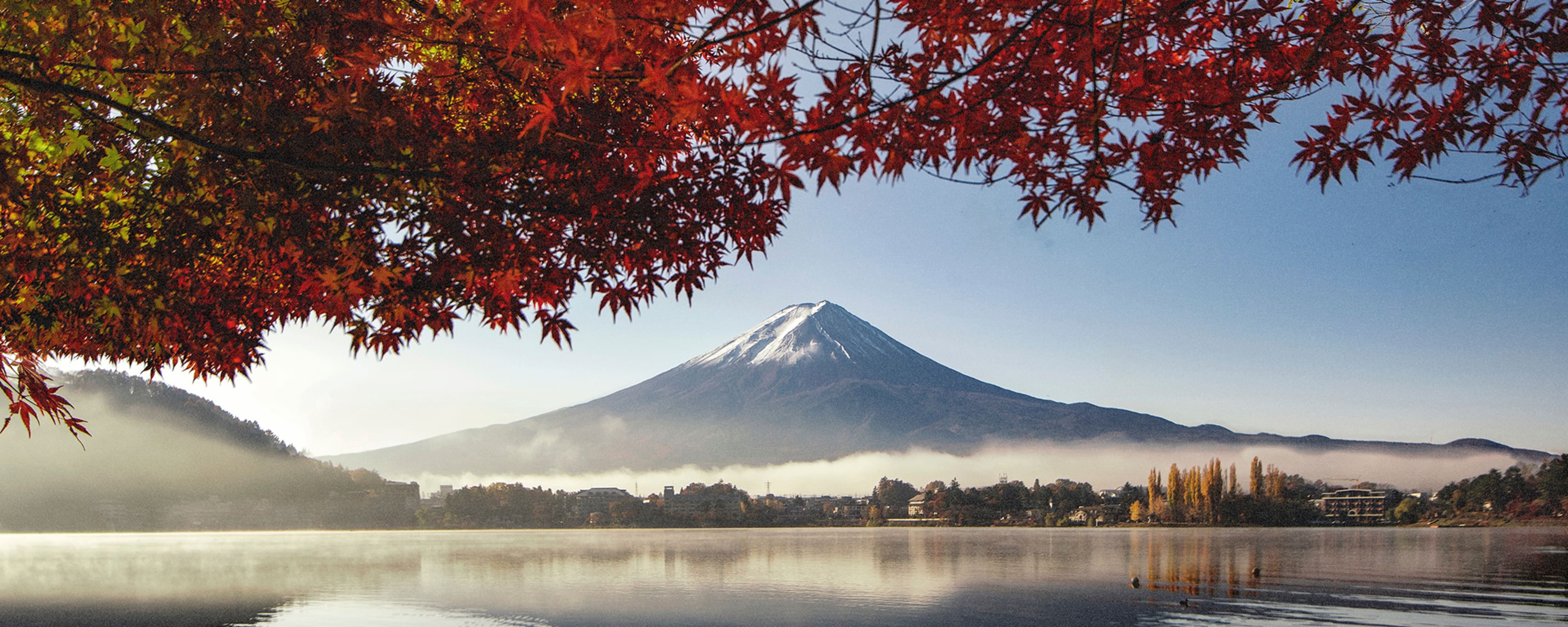
"Fuji is elusive," Jo notes. "To really see it clearly, autumn and early spring are your best bet." These seasons bring clearer skies and cooler temperatures, perfect for soaking in an open-air onsen while gazing at the snow-capped peak. The hiking season runs from early July to early September, but even outside of these months, you can enjoy lakeside walks, forest trails, and hot spring ryokans with postcard-worthy views.
Japan’s northernmost island is a seasonal contrast to the rest of the country. Winter (December through February) transforms Hokkaido into a wonderland of powder snow, ideal for skiing in Niseko or wandering through Sapporo’s Snow Festival. But according to Christopher, summer is just as inviting: "I love the beautiful lavender fields, crisp air, and cool nights here, such a great escape from the mainland humidity.” And fall comes earlier here than other regions of Japan, offering sweeping gold and crimson forests by late September.
The Setouchi region, with its scattering of art-filled islands like Naoshima, shines in late spring and autumn. April to May and October are ideal months; the weather is mild, ferries are less crowded, and you can explore open-air museums and contemporary art installations in peace. Christopher says, "These islands are all about slowing down. The art blends into the landscape, and both spring and autumn give you time to take it all in, without rushing between boats or battling the heat." He recommends avoiding the summer heat and typhoon season if possible.
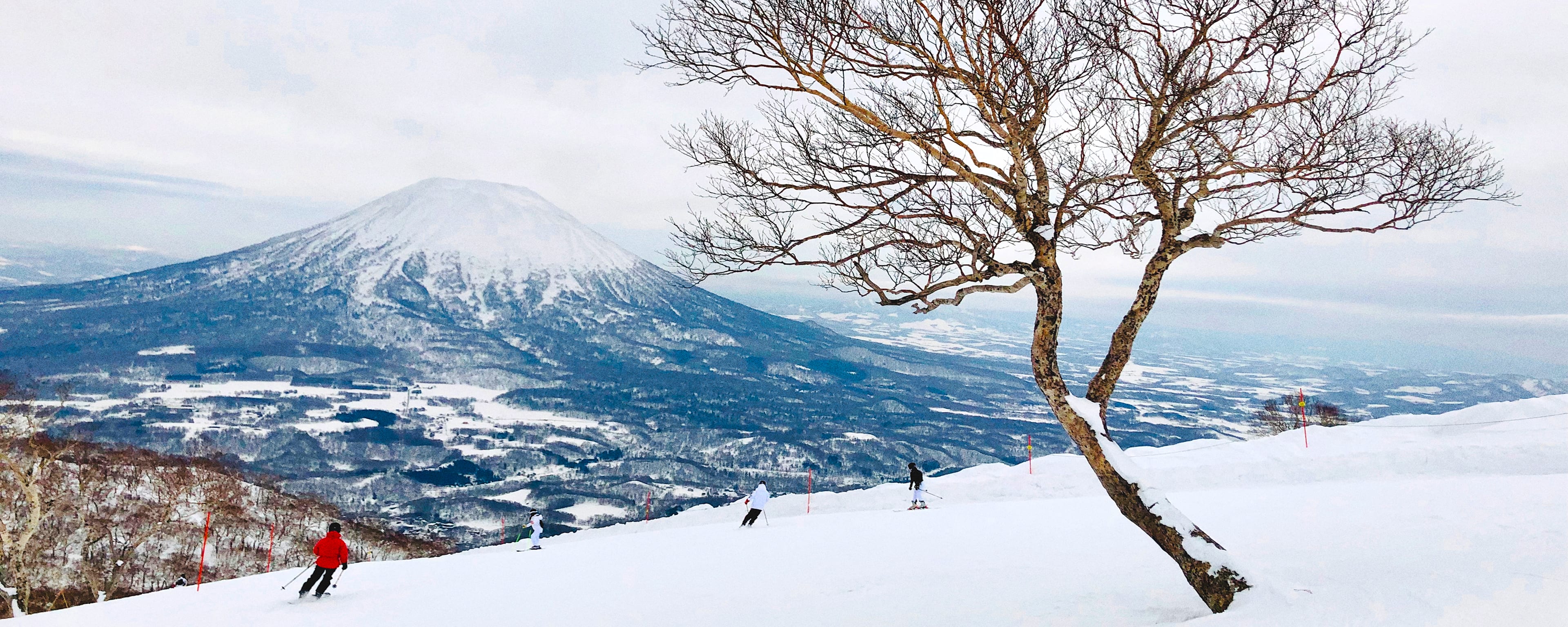
Japan begins the year in a quieter mood. With the New Year holiday just past, cities return to a slower rhythm. Hokkaido and the Japanese Alps are blanketed in deep snow, offering the best ski conditions of the year. In Tokyo and Kyoto, you’ll find winter illuminations still glowing in parks and shopping streets, while Okinawa remains mild; it’s a warm-weather escape with peaceful beaches and fewer visitors. It's an ideal time for travelers seeking quiet beauty, low crowds, and the soft elegance of winter.
This is the month of plum blossoms, an early harbinger of spring, especially in Kyoto where temples and parks begin to blush pink. Ski season remains in full swing across Hokkaido and Nagano, with light, dry powder drawing enthusiasts from around the world. Tokyo enjoys crisp, sunny days and excellent visibility; if you’re lucky, you’ll enjoy a clear view of Mount Fuji from the city. It’s also the time for Setsubun, where locals toss roasted beans at temples to ward off bad luck and welcome spring.
March marks the beginning of Japan’s cherry blossom season, which gradually moves from south to north. Kyushu and parts of Honshu begin to bloom in the latter half of the month, drawing excited crowds to riversides and parks. In Tokyo and Kyoto, early cherry trees start to flower by the end of March, setting the stage for hanami (flower-viewing) picnics. Weather is mild, though layers are still needed. For culture-lovers, this is a magical time to witness a seasonal transition revered in poetry, art, and everyday life.
April is peak sakura season in many parts of Japan — a national celebration of fleeting beauty. Parks, castles, and streets bloom in full force from Tokyo to Kyoto, and the country takes on a festive, pastel-colored glow. Expect larger crowds and higher hotel rates, but the atmosphere is unforgettable. Spring festivals abound, especially in smaller towns. Weather is generally mild, with cool mornings and sun-drenched afternoons. A must-visit month for first timers.
The first week of May includes Golden Week, a cluster of national holidays that sees much of Japan on the move. While travel during this time requires advanced planning, the rest of the month rewards with comfortable temperatures and vibrant greenery. It’s one of the best times for nature walks, temple visits, and ferry rides in the Setouchi islands. Okinawa beaches are officially open, and gardens across the country are in full bloom.
Japan’s rainy season arrives, bringing misty days and fewer tourists. While some avoid June, those who go are rewarded with a quieter pace and lush landscapes. Hydrangeas burst into bloom in temple gardens, and the Japanese Alps open for early-season hiking. Indoor activities (such as Kyoto’s craft workshops and Tokyo’s museums) become all the more appealing. Pack an umbrella and embrace the moodier side of Japan.
Festival season begins in earnest. Gion Matsuri in Kyoto, Tenjin Matsuri in Osaka, and the Sumida Fireworks in Tokyo all bring massive parades, traditional dress, and fireworks to city streets. It’s hot and humid, especially in the cities, so plan for slower travel and frequent breaks. In Okinawa, beach days and the Eisa Festival add color and energy to island life. It’s also the start of the climbing season for Mount Fuji.
Summer reaches its peak this month, and so do Japan’s festivals. Obon season sees families returning to their hometowns to honor ancestors, with lantern-lit ceremonies and traditional dances across the country. The heat and humidity can be intense, but it’s also the time for vibrant matsuri, fireworks, and lively outdoor dining. Typhoon risk begins to rise, particularly in the south, so flexibility is key. Visit early in the month for more stable weather.
A transition month, September straddles summer’s end and autumn’s beginning. Typhoons are still a concern in the south, but cooler temperatures begin creeping in from the north. Hokkaido starts to see the first hints of fall color by late September, while crowds begin to thin out in major cities. It’s a good time for cultural travel, as temples, art islands, and countryside ryokans all feel a bit quieter.
October is one of Japan’s finest travel months. Comfortable temperatures, fewer tourists, and the first bursts of autumn color make it ideal for almost any kind of trip. The Setouchi islands are at their best, and hiking in the Japanese Alps offers crisp air and breathtaking views. It’s also harvest season in rural Japan, with seasonal produce and local festivals giving a taste of the countryside.
Autumn in full splendor. From Kyoto’s temple gardens to the forests of Nikko and the lakes around Mount Fuji, red and gold leaves transform the landscape. Days are sunny and skies clear, perfect for photography and long walks. This is high season for fall foliage, so expect popular spots to be busy… but worth every moment.
Japan winds down the year with festive calm. Cities glow with winter illuminations, from Tokyo’s Omotesando to Kobe’s Luminarie. Early in the month, travel is peaceful; after Christmas, locals begin preparing for Oshogatsu (New Year), the most important holiday on the calendar. In the mountains, ski resorts open for the season. Onsen visits become even more magical, especially when snow begins to fall.
Whatever the season, Japan always reveals something special. For cherry blossoms, plan for late March through early April. For fiery foliage, November is peak. For snow-draped quietude, January and February shine. And for festival lovers, summer brings tradition and spectacle in equal measure.
Your Kensington Destination Expert is here to tailor your trip to your timing, style, and sense of curiosity — whether that means temple stays, private hikes, or insider access to Japan’s most iconic experiences. Ready to plan your custom private-guided trip to Japan? Talk to a Kensington Destination Expert today to create a tailored Japan itinerary designed around your timing, interests, and travel style.
Sign up to receive the latest on Luxury Travel, thought leadership, exclusive offers, specials and events.









Experience authentic travel. Request a custom quote today and get one step closer to your personalized trip.
Speak to one of our Destination Experts at 1 888 903 2001