TRAVEL INSPIRATION
What to Do in Japan: Culture, Cuisine & Beyond the Highlights
By The Kensington Content Team
Reviewed by Christopher Crooks, Destination Lead for East Asia
Published March 16, 2026 | Reading Time: 9 mins
TRAVEL INSPIRATION
By The Kensington Content Team
Reviewed by Christopher Crooks, Destination Lead for East Asia
Published March 16, 2026 | Reading Time: 9 mins
Japan offers an extraordinary blend of ancient tradition and modern energy, where centuries-old temples, geisha districts, and samurai heritage coexist with neon-lit cities, cutting-edge cuisine, and pop culture icons.
From Tokyo and Kyoto to Osaka, Kanazawa, and Okinawa, each region reveals a distinct side of Japan, whether through immersive cultural experiences, unforgettable food, or breathtaking natural landscapes.
Thoughtful timing and expert planning unlock deeper access, from private temple visits and hands-on culinary classes to lesser-known neighborhoods and hidden gems beyond the usual tourist path.
Japan is a country you feel as much as you see.
It’s the hush of a temple courtyard at dawn. The hiss of noodles dropped into broth behind a ten-seat counter. The neon glow of a backstreet that hums long after midnight. It’s ancient ritual and pop culture spectacle, sometimes on the very same block.
“There’s nowhere else quite like Japan,” says Christopher Crooks, Kensington’s Destination Lead for East Asia. “You can spend the morning in a centuries-old temple and the evening under flashing lights in a neighborhood that feels pulled from the future. That contrast is the magic.”
If you’re wondering what to do in Japan, start here. These are the cities, neighborhoods, flavors, and hidden gems that define the experience, and how to see them in a way that feels personal and immersive.
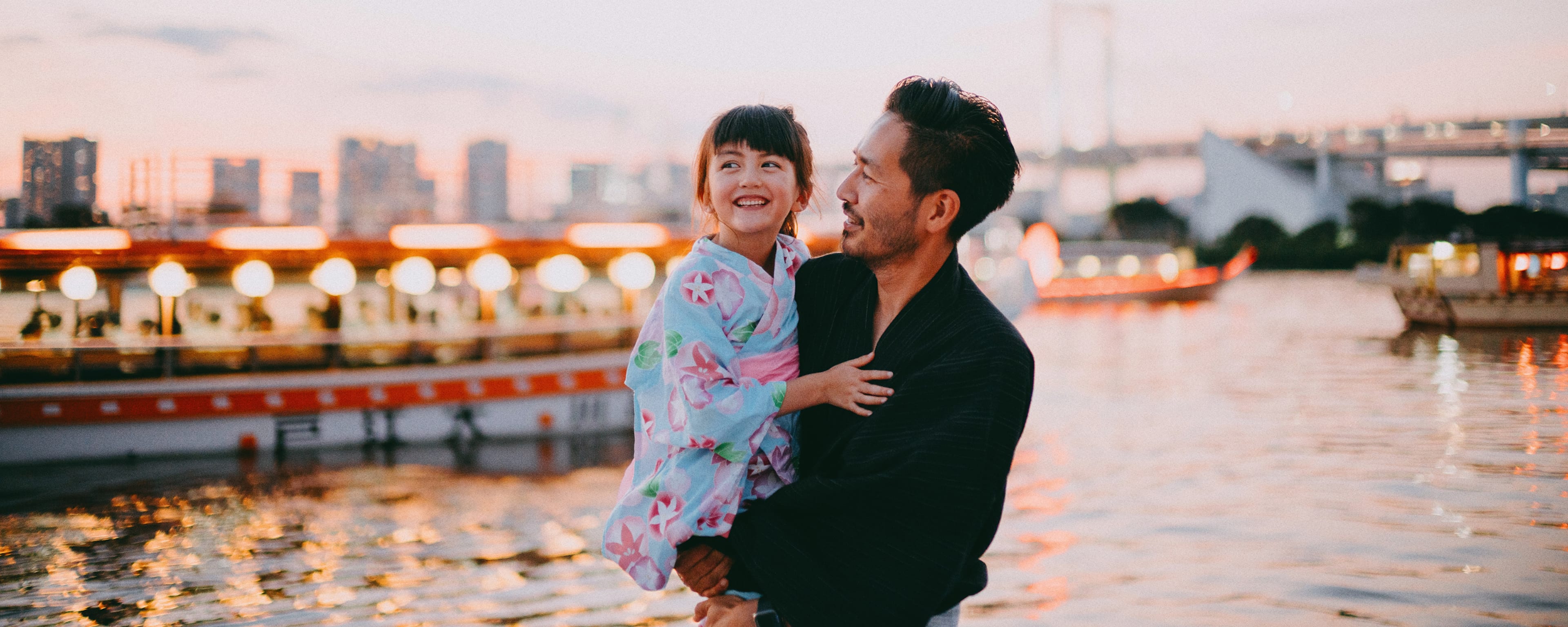
Tokyo is vast. It’s layered. It can be overwhelming without the right guidance and unforgettable with it.
“Tokyo is enormous, so there is a lot to do,” Christopher notes. “The obvious choices are Senso-ji and Tsukiji. But it’s what you do beyond the obvious that makes it memorable.”
Start in Asakusa at Senso-ji, Tokyo’s oldest temple. Arrive early, when incense smoke drifts through the gates and the crowds are thin. From there, wander Nakamise Street for traditional sweets and handcrafted souvenirs.
At Tsukiji Outer Market, sample fresh tuna sashimi, tamagoyaki skewers, and grilled scallops. While the inner wholesale market has moved, the outer areas remain a culinary playground.
Then go hands-on. Join a private sushi or soba-making lesson with a local chef. Understanding the discipline behind the craft, the knife work, the rice seasoning, the balance of flavor, deepens every bite that follows.
And don’t miss what Christopher calls the “hole-in-the-wall ramen moment.” Slip into a tiny neighborhood ramen shop and sit shoulder-to-shoulder with locals. It’s a simple yet perfect dining experience.
Just an hour from Tokyo, Kamakura feels worlds away. Home to the Great Buddha and serene hillside temples, it’s ideal for travelers craving a slower pace and coastal air. Pair a temple visit with a matcha stop overlooking the sea.
If you want to feel the bustling urban centre of Tokyo, head to Shinjuku at night. “Stroll Kabukicho after dark,” Christopher suggests. “It’s the real Tokyo experience. And go see the Godzilla statue.”
Neon signs flicker above karaoke bars, arcades, and late-night eateries. The Godzilla Head perched atop Toho Cinema peeks over the skyline, a playful reminder of Japan’s pop culture legacy.
For something more intimate, duck into Omoide Yokocho, a narrow alley lined with yakitori grills. Smoke curls into the air. Sake flows freely. It’s lively, gritty, and deeply local.
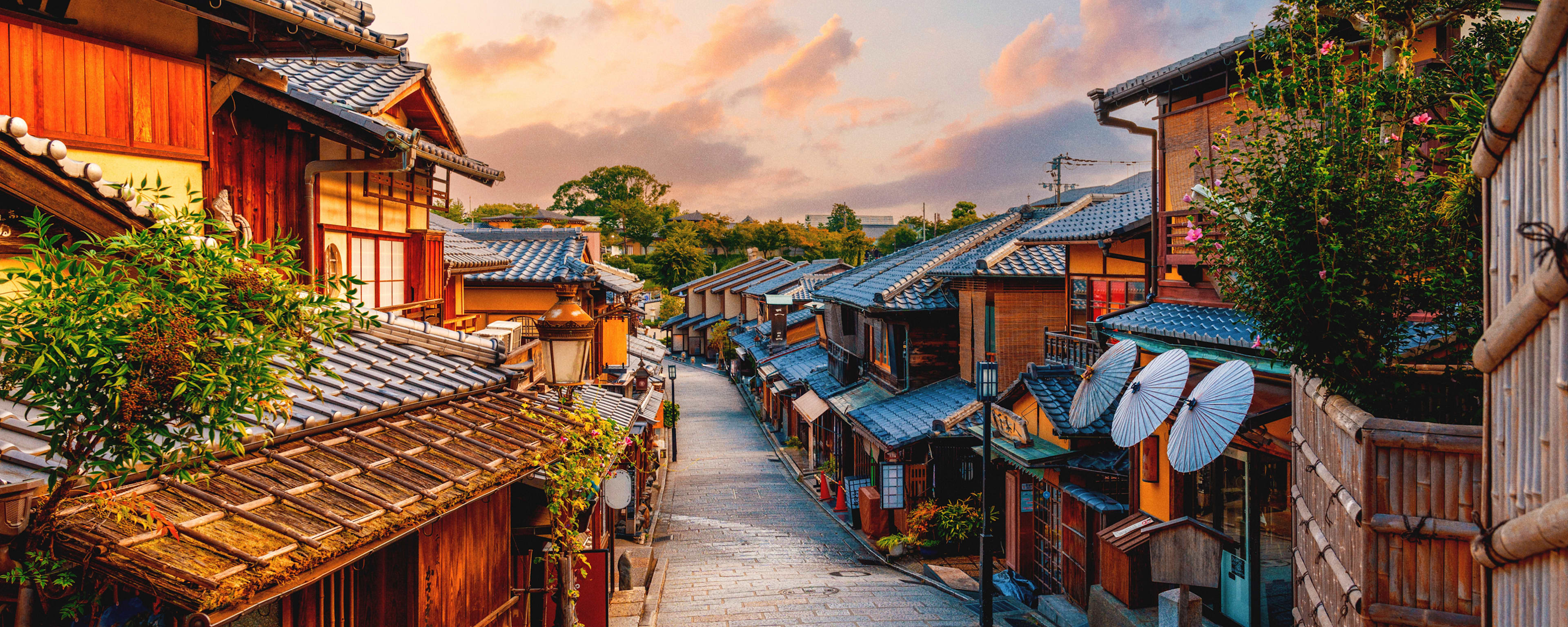
Kyoto is Japan’s cultural heart. But even here, the experience depends on where and how you look.
“There are so many temples in Kyoto,” Christopher says. “But Sanjusangen-do isn’t as popular. It’s a bit of a hidden gem.”
Inside, 1,001 statues of Kannon stand in precise formation. The effect is mesmerizing and quietly powerful without the heavy foot traffic of better-known sites.
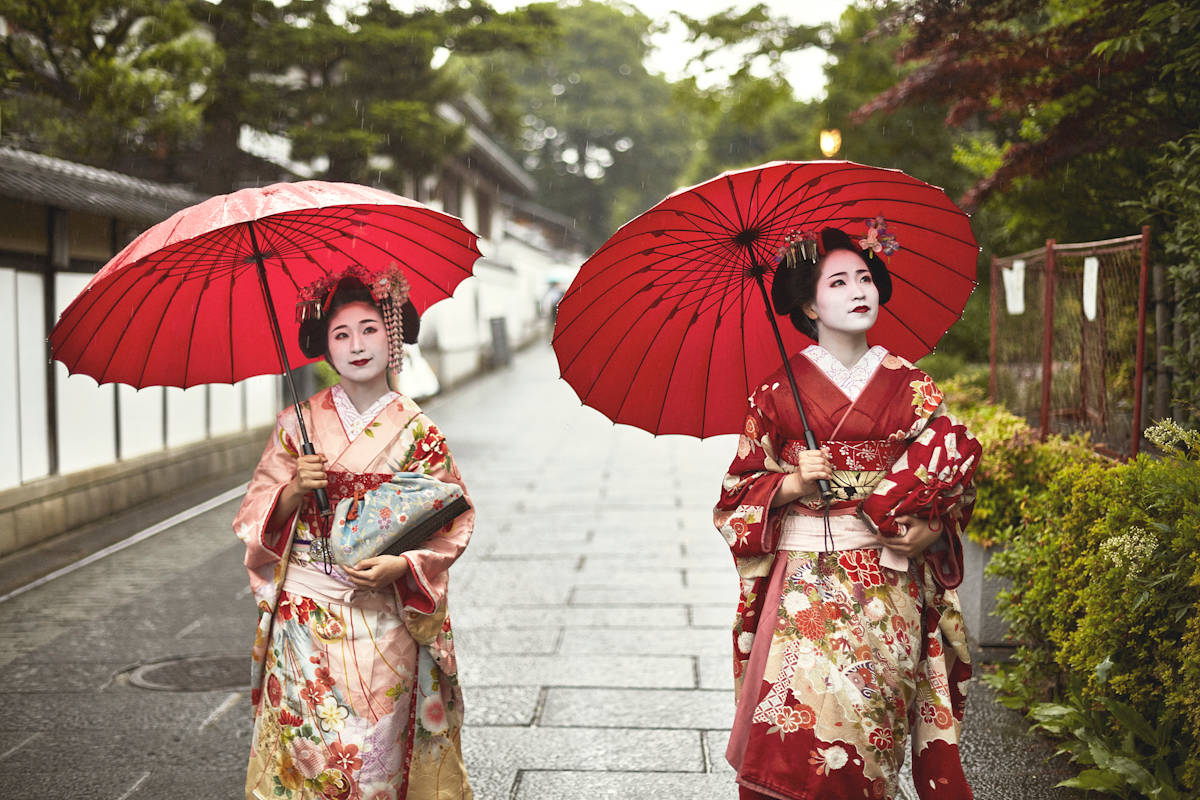
For an alternative to Gion, visit Kamishichiken. It’s one of Kyoto’s oldest geisha districts and far quieter. In the evening, lanterns glow softly along narrow streets. With the right introductions, you can enjoy a private dinner accompanied by traditional music and dance, an intimate window into a centuries-old art form.
Balance temple visits with experiences. A tea ceremony led by a master who explains every movement. A private kimono fitting. A guided walk through Arashiyama at sunrise before the bamboo grove fills with visitors.
Osaka is bold yet friendly. And it’s obsessed with food.
“Go to the Cup Ramen Museum and make your own cup ramen,” Christopher says. It’s playful and surprisingly fascinating, a look at how instant noodles became a global staple.
Then head straight to Dotonbori. Neon signs reflect off the canal as vendors grill takoyaki and flip okonomiyaki, savory pancakes layered with cabbage, pork, and sweet sauce.
Try taiyaki for dessert, a fish-shaped pastry filled with red bean or custard. Osaka encourages you to eat first and ask questions later.
For a deeper dive, let a local guide take you through Kuromon Market or arrange a private cooking class focused on street food favorites.
In this simple and beautiful port city, Christopher advises to “find a good restaurant and have authentic Kobe beef. It’s something you should do once and do properly.”
True Kobe beef is about marbling, yes, but also balance and restraint. Served teppanyaki-style, it’s often seasoned simply with salt and pepper, allowing the richness to speak for itself.
Pair dinner with a stroll through Kobe’s harbor district or the historic Kitano neighborhood, where 19th-century Western-style homes overlook the city.
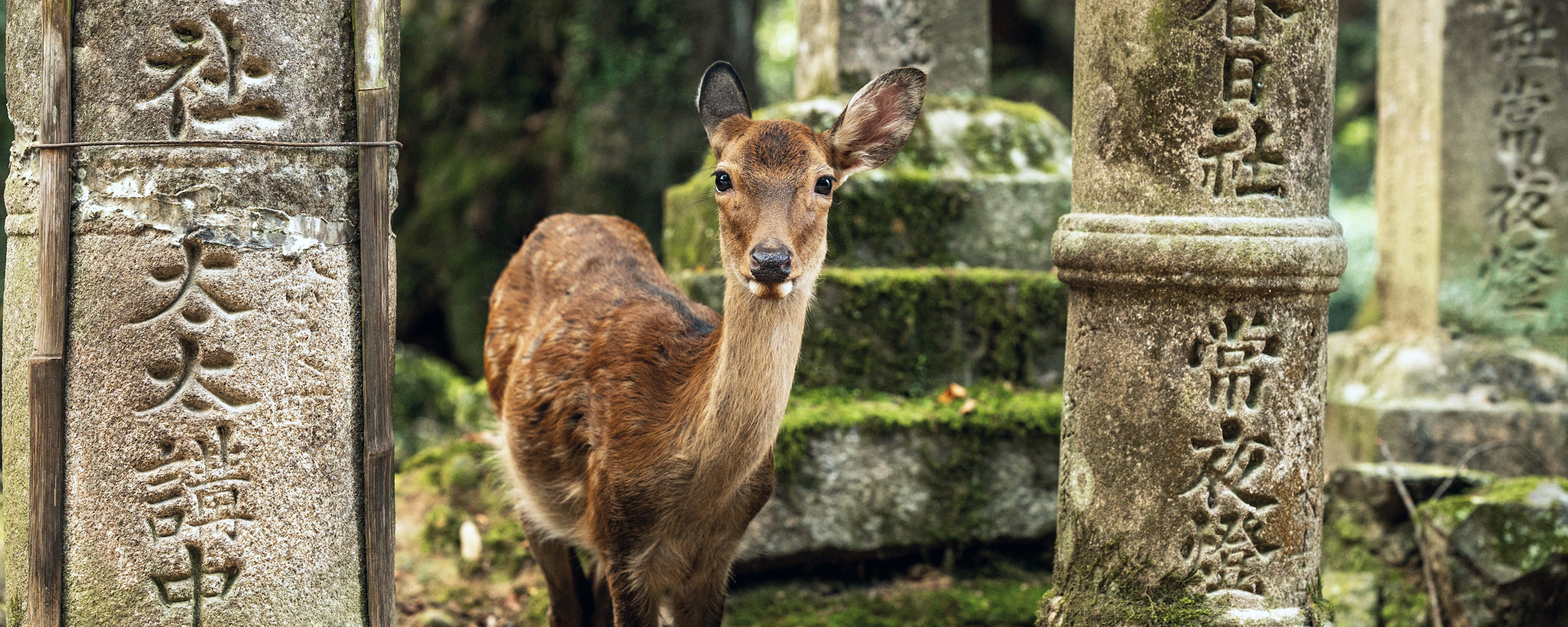
In Nara Park, semi-wild deer roam freely. Offer a cracker, and many will bow, a charming exchange rooted in centuries of Shinto tradition. “You have to feed the deer and watch them bow to you,” Christopher says. “It’s something you can only do in Japan.”
While you’re here, step inside Todai-ji to see the Great Buddha, one of the largest bronze statues in the world. It’s humbling in scale and serenity.
Christopher recommends visiting Nagoya Castle and the city’s science museum, one of the best in Japan.
Nagoya Castle impresses with its golden shachihoko ornaments and meticulously reconstructed interiors. Meanwhile, the Nagoya City Science Museum houses one of the world’s largest planetariums, offering an unexpected highlight for families or curious minds.
Add a wander through Osu’s covered shopping streets for vintage finds and local snacks.
Okinawa feels different from mainland Japan, slower, sun-soaked, and edged by turquoise sea.
“Some of the best beaches in Japan are here,” Christopher says. “Go snorkeling or scuba diving in Miyakojima. And make sure to try Okinawa soba.”
The noodles are thicker, the broth lighter, often topped with braised pork belly. It’s comfort food with island character.
Spend your days diving coral reefs, exploring limestone caves, or learning about the Ryukyu Kingdom’s distinct history.
In Kanazawa, time slows down. “Have dinner with a geisha,” Christopher recommends. “Stroll through the geisha or samurai districts.”
The Higashi Chaya district glows at dusk, wooden teahouses lining quiet streets. In Nagamachi, preserved samurai residences reveal earthen walls and hidden courtyards.
Pair this with a visit to Kenrokuen Garden, considered one of Japan’s most beautiful landscape gardens, for a masterclass in seasonal design.
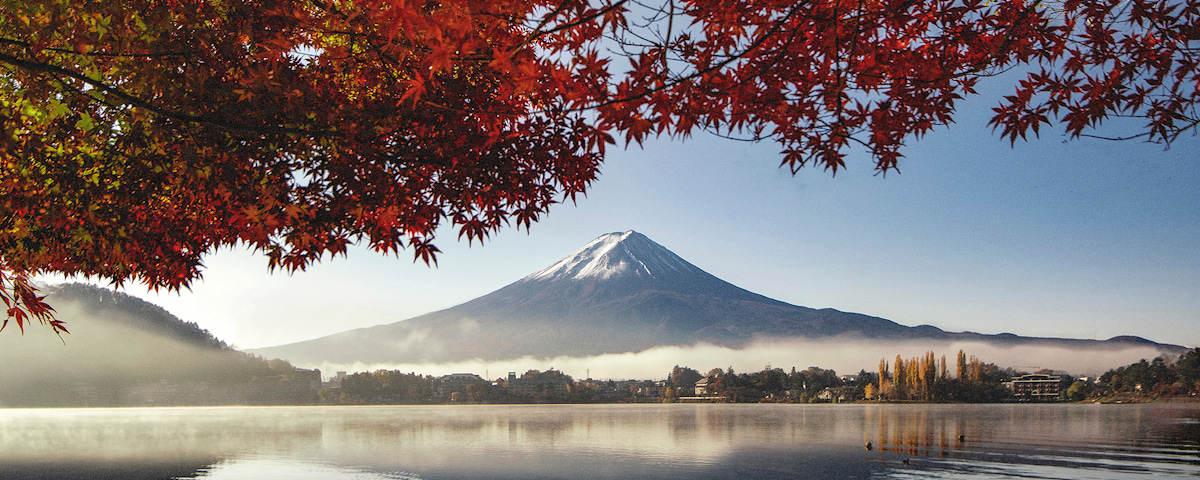
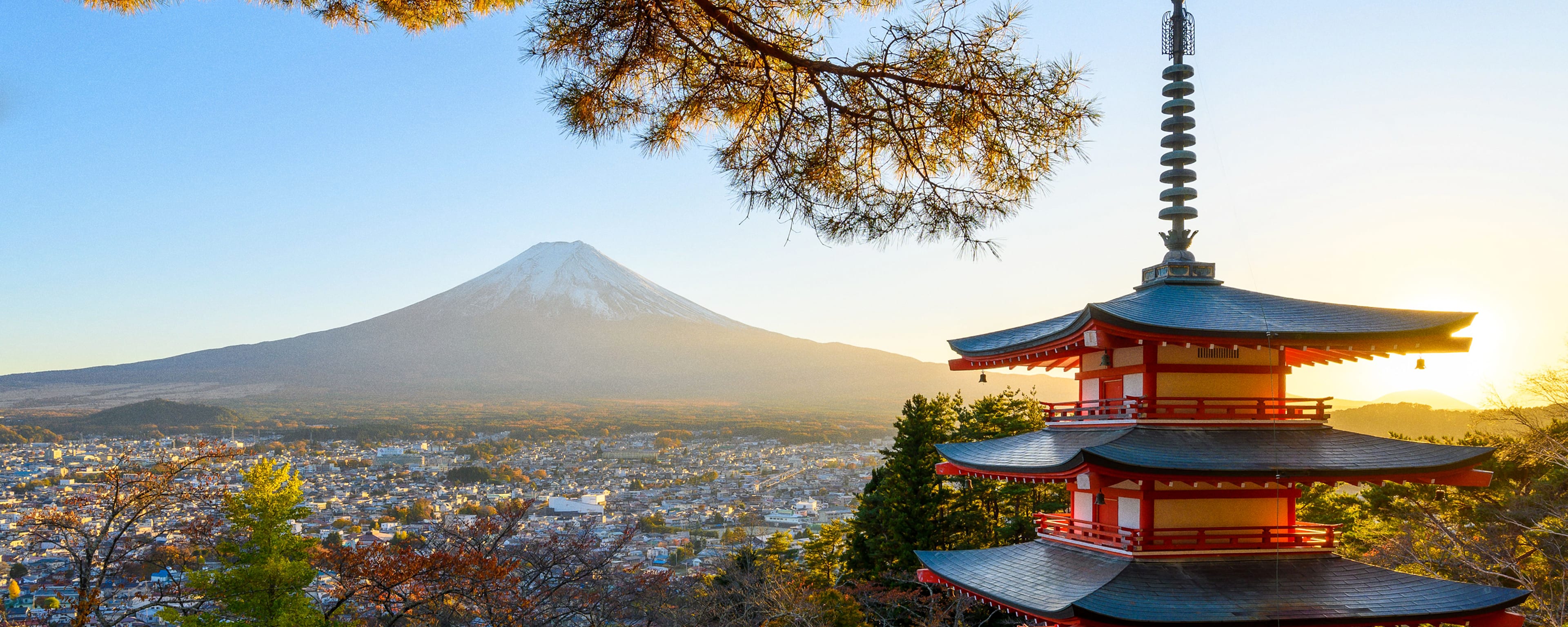
“For the best view of Mount Fuji anywhere, go to Kawaguchiko,” Christopher says. On a clear morning, Fuji reflects perfectly in Lake Kawaguchi. Stay overnight in a ryokan with a private onsen bath facing the mountain.
It’s quiet. Restorative. Unforgettable.
Japan rewards those who wander.
Consider Naoshima, an art island dotted with contemporary installations. Or Takayama, where Edo-period streets feel preserved in amber. In the Japanese Alps, hike between villages in Shirakawa-go, known for its steep thatched roofs.
Seek out a countryside farm stay. Cycle the Shimanami Kaido across island bridges. Visit a sake brewery in Niigata and taste directly from the source.
These moments, unexpected and unscripted, often become the stories you tell first.
Japan offers endless possibilities. As Christopher puts it, “Japan has the big highlights everyone should see. But it’s the personal touches, the small restaurants, the quieter districts, the unexpected moments, that make it extraordinary.”
The key is shaping them around you. Whatever your vision of Japan looks like — exploring Tokyo’s neon-lit backstreets, walking beneath Kyoto’s temple gates at sunrise, soaking in a private onsen with Mount Fuji in view, or savoring Kobe beef prepared just for you — the right planning makes all the difference.
Your Kensington Destination Expert will tailor your journey around your interests, pace, and preferred travel style, ensuring every detail feels personal and considered.
Ready to plan your custom private-guided trip to Japan? Talk to a Kensington Destination Expert today to create a tailored Japan itinerary designed around your timing, interests, and travel style.
Sign up to receive the latest on Luxury Travel, thought leadership, exclusive offers, specials and events.









Experience authentic travel. Request a custom quote today and get one step closer to your personalized trip.
Speak to one of our Destination Experts at 1 888 903 2001